
Delicious and Fresh Pork Specialty Shop 🐷
Hello. It’s Aayaobaa-san here 👵🏻 It’s incredibly hot lately, isn’t it? 💦 I’m not sure if it’s related to the heat, but we’ve been seeing a lot of cockroaches at home recently. They’ve shown up three times already, roughly once a week. In the past, they’d only appear once a year or so, and I’d thought Malaysia was surprisingly cockroach-free compared to Japan, but lately, they’ve been appearing way too frequently. 😩 Now, even small ones are popping up in the bathroom from time to time. 💦💦 Please, help me figure this out! 😵💫😵💫😵💫
So, today we’re beating the heat by indulging in delicious, fresh pork to boost our stamina!!! Here’s a look at my go-to specialty pork shop.
This shop is incredibly popular with both locals and staff because it has its own exclusive pig farm, ensuring the meat is delicious, fresh, and affordably priced.
I go for a big shopping trip once a month! Since I buy in such large quantities, people even asked me if I was running a business when I first started 😅
※ Photo and video shooting inside the store is prohibited, but this time we have obtained special permission to take them.

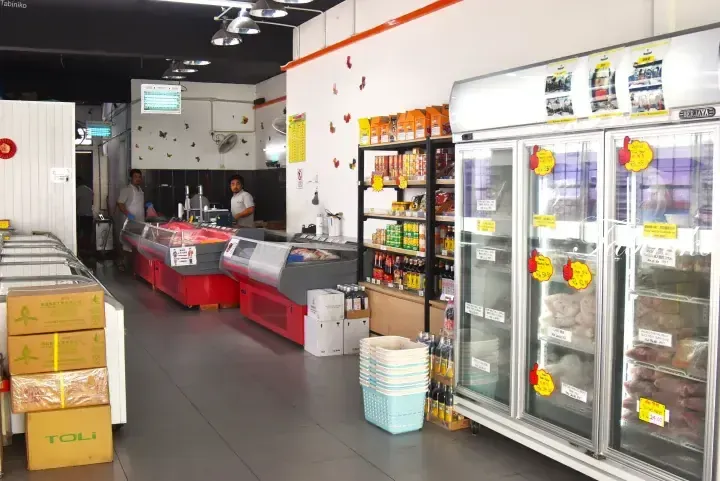
Here’s what the shop looks like. In addition to fresh pork, they also sell processed meats, seasonings, frozen fish, and other seafood.
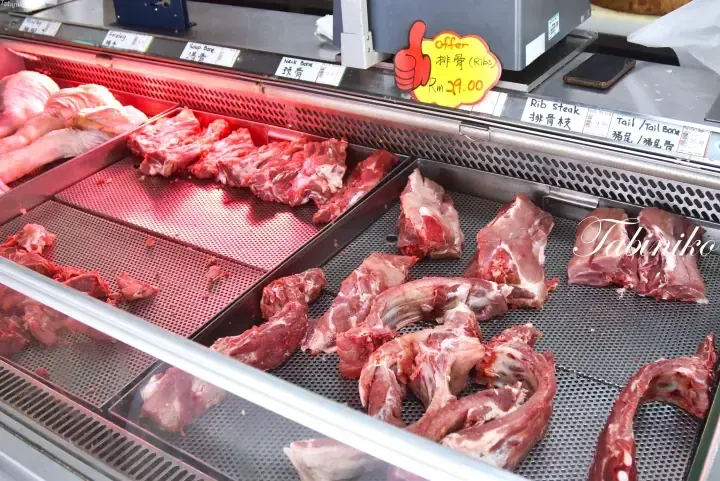
At first, many people are surprised by the different scene compared to Japan, but specialty meat shops don’t sell meat in pre-packaged containers; instead, they weigh and sell it by cut (though supermarkets do offer pre-packaged options).
Since Malaysia is an Islamic country, pork is only sold in limited places.
Chinese-Malaysians often use the spare ribs shown in the bottom right of the photo. I always use them too when making soup. Simmering the meat with herbal ingredients makes it fall right off the bone, tender and delicious 🤤
The rib area, in particular, has a nice balance of meat and a touch of fat that makes it incredibly delicious, so I always look for cuts with a generous portion of that section when I buy.
Grab the items you want with tongs and have them weighed first. If you’d like them sliced smaller, just ask for a “Kachupoton” (in Malay, kachu means “small” and potong means “to cut”), and they’ll happily slice it for you as a complimentary service.
Whether you’re having it weighed or sliced, it’s best to keep an eye on your order to avoid any mix-ups with other customers’ items.
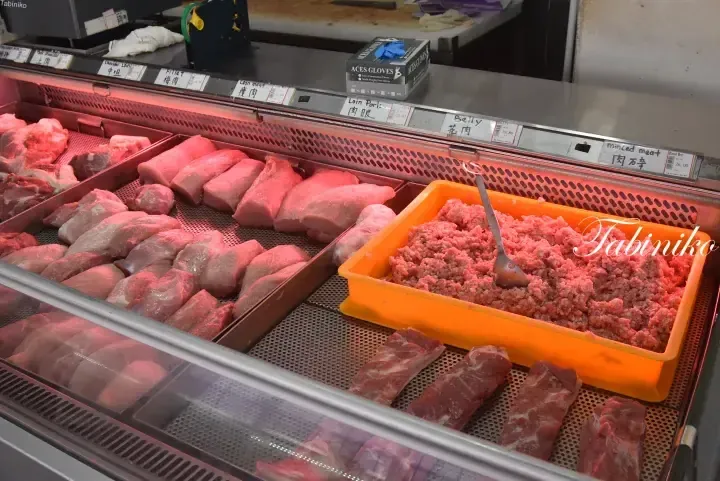
I’ve actually made tonkatsu using the meat on the left in the photo. They can’t slice it paper-thin, but if you ask, they’ll happily cut it into pieces larger than 1 cm as a courtesy. However, their sense of size differs from Japanese standards, so if you don’t specify clearly, they might cut it crosswise instead of lengthwise. Be sure to communicate your preference precisely. That said, since the cutting service is free, asking for too many specifics might annoy them.
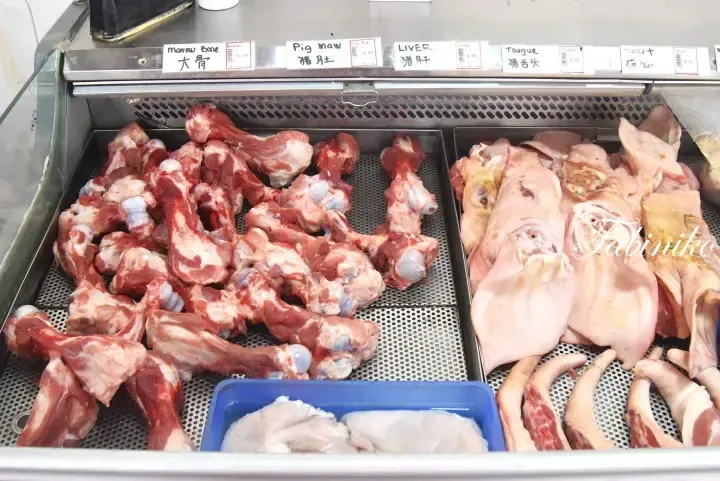
The bone-in meat on the left side of the photo is intended for soup, while the ears, tails, and other parts on the right are likely purchased by restaurant owners. The white object at the bottom of the photo is pork belly (often referred to as “belly” in local markets), though they also sell other offal like liver and intestines. Since restaurant staff tend to come early in the morning to buy these items, if you’re interested, it’s best to call the day before to check availability. If you visit regularly and build a good relationship with the vendors, they’ll often be more flexible and accommodating.
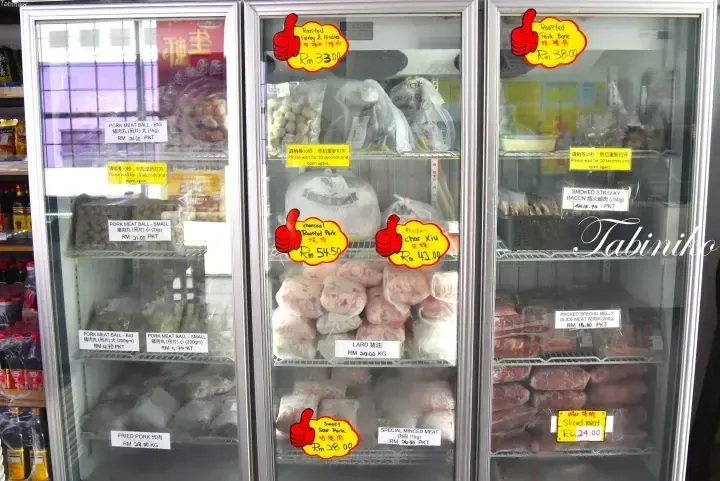
A variety of frozen pork.
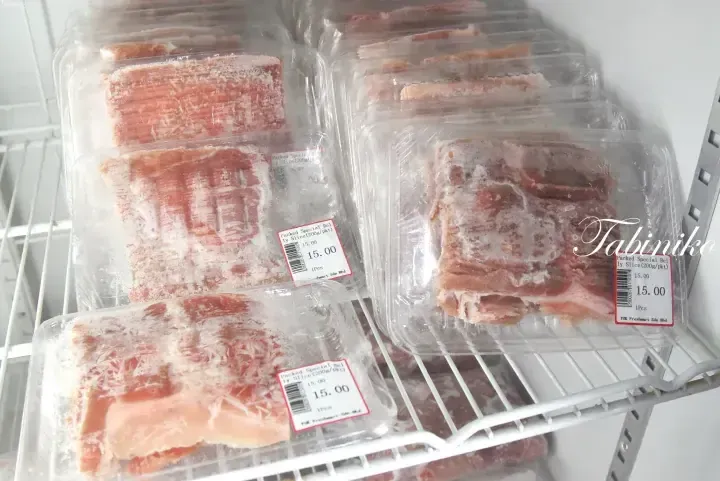
This is thinly sliced pork. It wasn’t available before, but it’s been in stock lately. Since Japanese cooking makes frequent use of thin pork slices, it’s really convenient to have this on hand anytime.
By the way, Chinese-Malaysians typically use this thin-cut pork for hot pot, but it’s not commonly used in everyday home cooking.
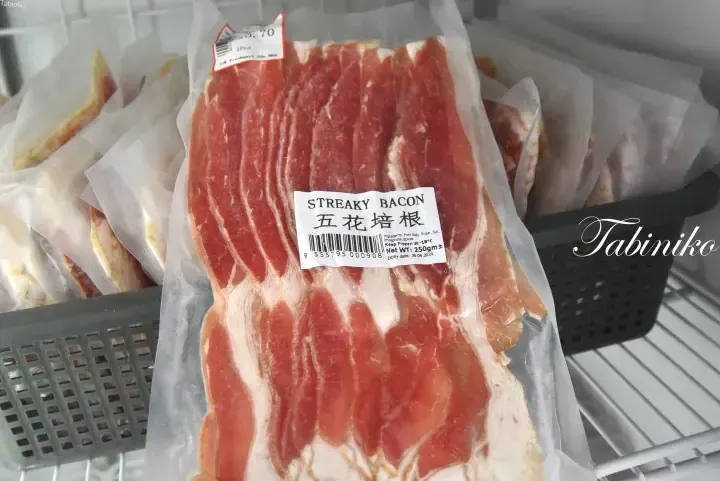
They also have bacon. Since this bacon comes from a local butcher, it’s likely handmade, giving off a reassuring, wholesome vibe.
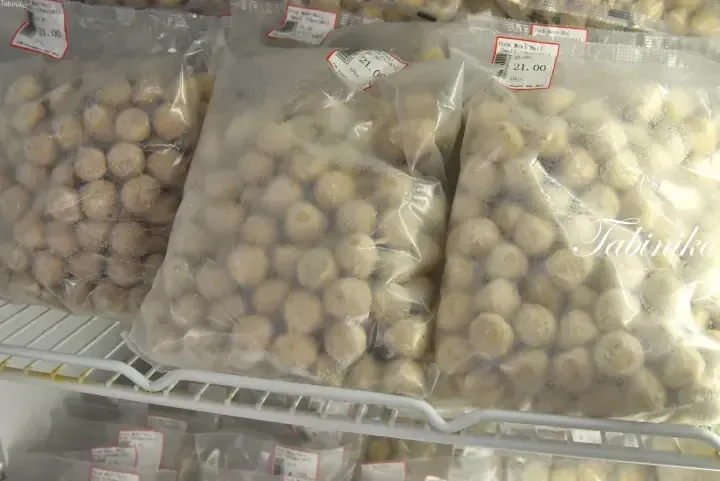
Massive packs of pork dumplings! Since Chinese families tend to eat together in larger groups, a single bag gets devoured in no time 😄 The shop staff themselves buy in bulk, which is why they stock these giant sizes! You won’t find anything this huge at regular supermarkets in Japan 😄 It’s basically a Business Supermarket-sized pack!!
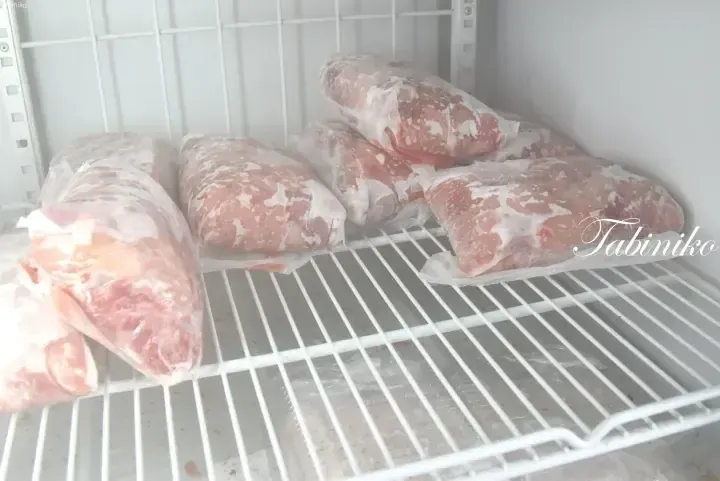
A 1kg pack of sliced pork. But don’t let the word “sliced” fool you—it’s not the paper-thin slices you might picture from Japanese supermarkets. These are slightly thicker cuts.
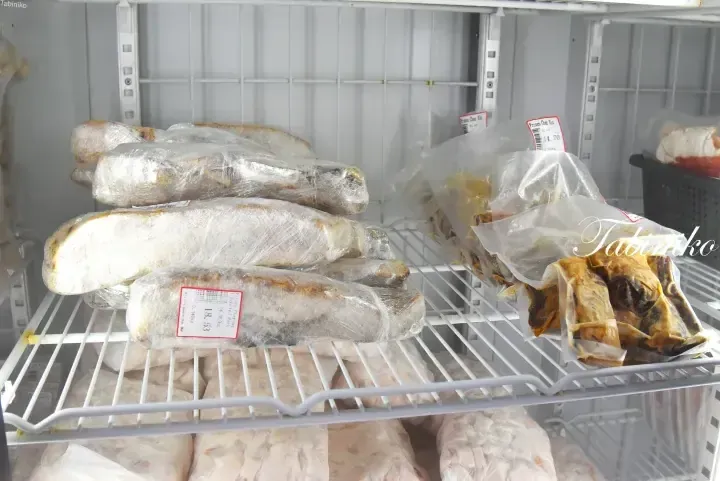
The char siu is also homemade. I’ve never had frozen char siu, but this homemade version is an absolute must-have when we gather as a family to celebrate special occasions like New Year’s Eve before the Lunar New Year, Winter Solstice, or the Mid-Autumn Festival, enjoying a feast together! It’s incredibly delicious 🤤😍🧡 Just thinking about it makes me crave it so much 🤤🤤🤤
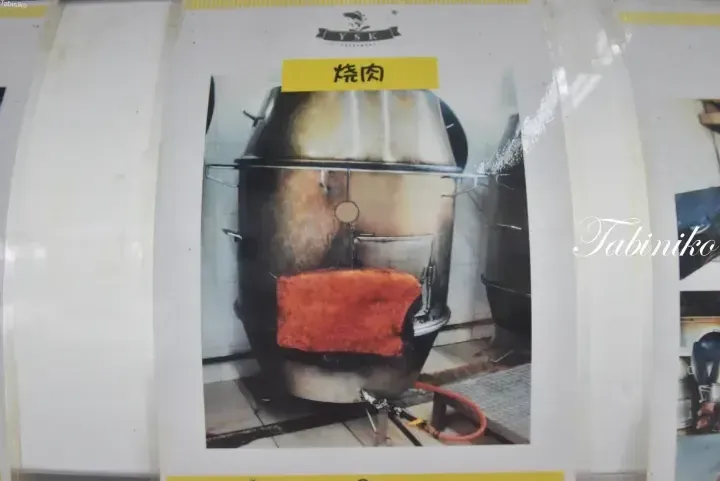
↑This, this! My absolute favorite roasted pork 🧡🧡🧡
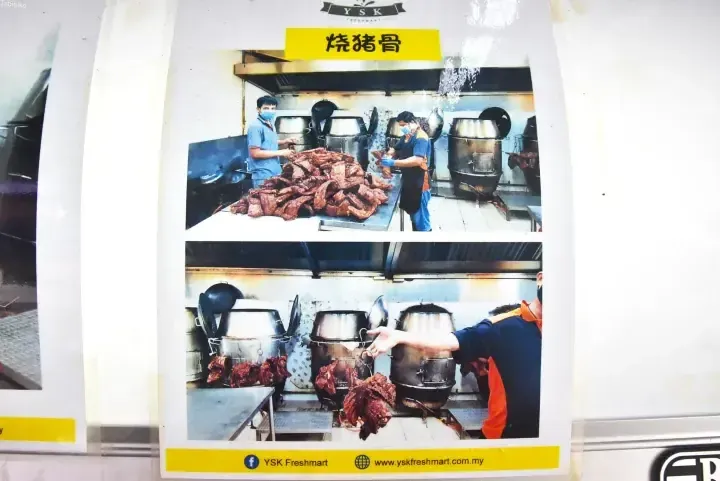
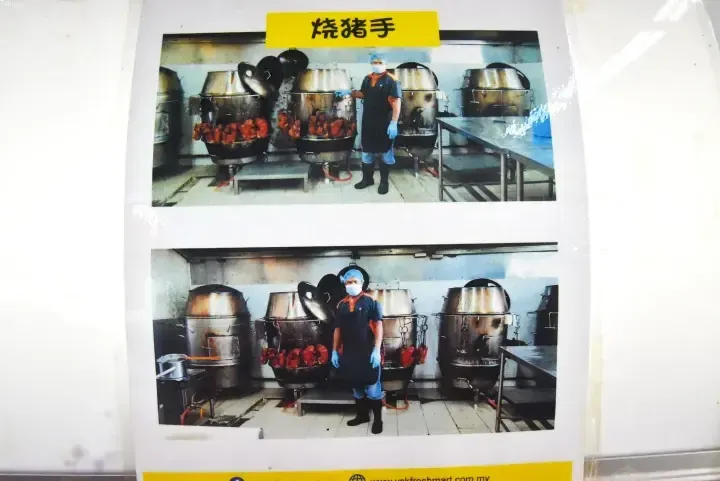
We also enjoy braised pork knuckles on New Year’s Eve, right before the Lunar New Year. They pair amazingly well with drinks and are absolutely delicious 🥰 It’s a flavor that Japanese people love, too!!
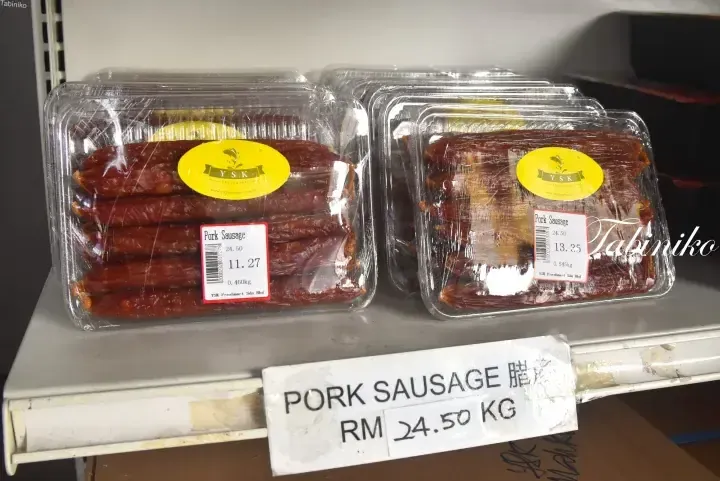
This is the Chinese-style sausage!
It’s totally different from Japanese sausages, right? 😂 When I first moved to Malaysia, my mother-in-law gave me this, and I was quite the culture shock because it was a sausage I’d never seen before and I had no idea how to use it! 😅💦
I still don’t fully understand how to use it, but you’ll often find it in stir-fried noodles at hawker stalls or in claypot dishes. It’s like a firmer, juicier version of salami. I prefer Japanese sausages, but this is delicious in its own way!
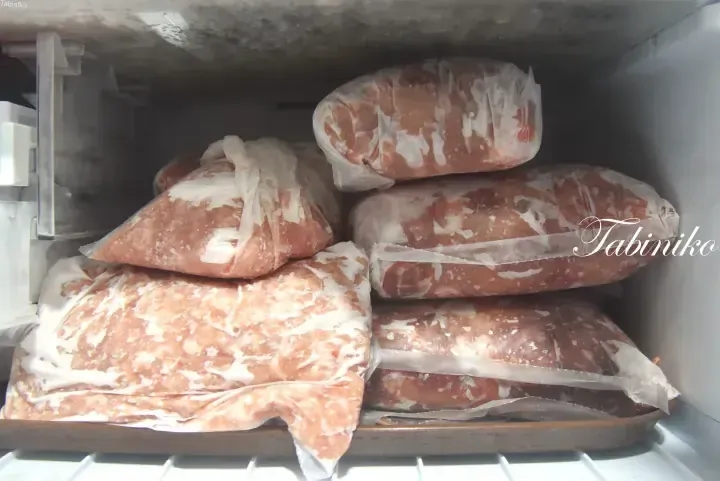
This is my freezer. One month’s worth of pork 🐷🐷🐷
Since the specialty pork shop is only accessible by car, I always buy a month’s supply in one go!
Make some delicious rice with fresh, tasty pork! 😊
Let’s dive into another shop recommendation! 😊
Well then, see you next time~👋🏻👋🏻👋🏻