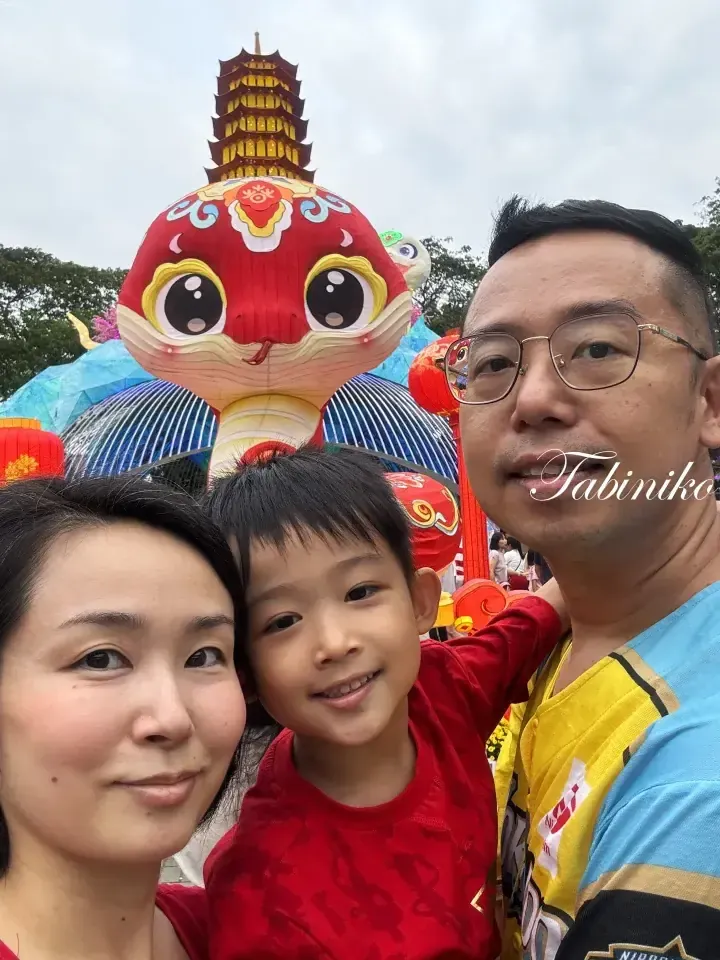
[Beginner's Guide] Peace of Mind for Solo Study Abroad! Guardian Support for International School Students in Malaysia | Photo Tour of Homestay Life During Half Break
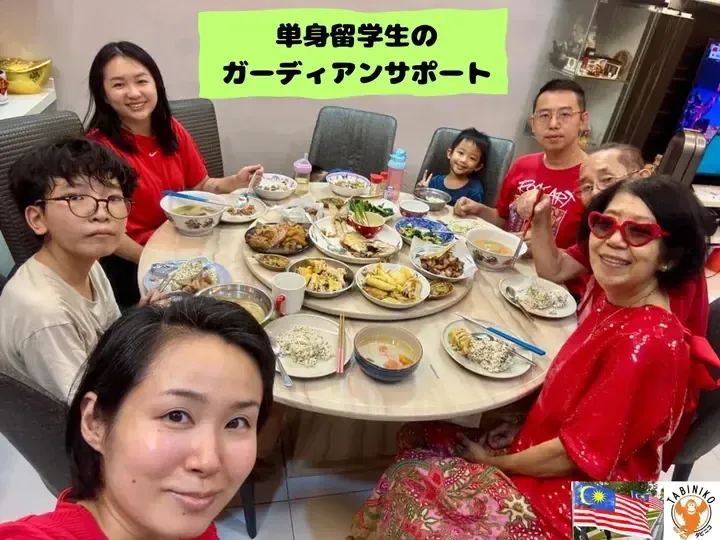
🔑 Guardian Registration
For single student international students, most international schools require the appointment of a guardian. The guardian is registered as the school’s primary contact for your child and serves as the liaison with the school in case of emergencies or any issues that arise.
💖 How to Spend Your Vacation When the Dormitory Is Closed
And the primary responsibility of Malaysia Guardian Support is to look after your children during the half-break when the dormitories close (additional fees apply).
When family members stay over at our place, we make sure to eat together as much as possible. We casually ask about their school life, check if they’re facing any worries, and see if they’ve strayed from the right path. Adolescence is a tricky phase with many challenges, so we take the opportunity to gently draw out information about their school experiences while enjoying quality family time. It’s important to maintain open communication on a regular basis so that your children feel comfortable coming to you with any problems they might encounter.
When the kids are staying in Malaysia, Eric and I step into the roles of their father and mother, so we make sure to keep a close eye on them. We treat them just like our own children.
🏡 So, what do we do during a half-break? We usually spend the time together at home. When we’re off, we take little trips around our local area, and during Chinese New Year, we hang out with Eric’s family. It’s a fun way to experience the culture of Malaysian Chinese people together. Chinese families place a strong emphasis on etiquette, teaching children from a young age to be mindful of greetings and manners. While there are some similarities with Japan, it’s a great opportunity to experience local family life firsthand.
For single international students, life mostly revolves around shuttling between school and the dorm. Many of them dread staying in the dorm on weekends and long to head out, so we really want to encourage the single international students registered with us to experience cultural immersion by staying with Chinese-Malaysian families.
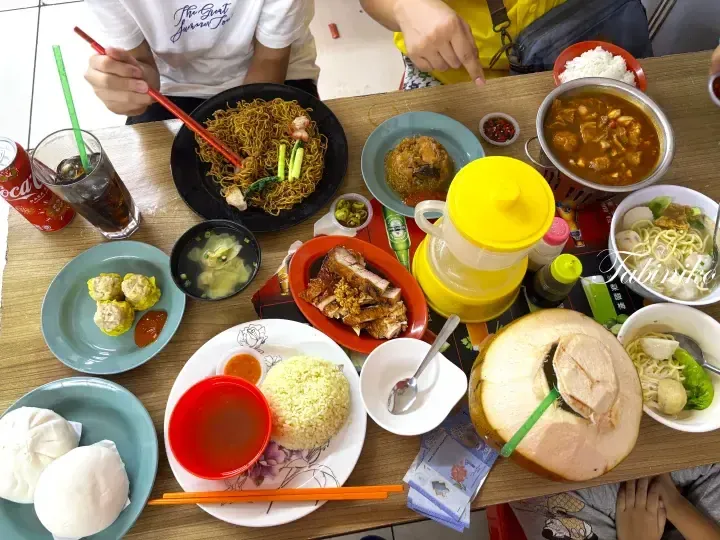
Heading out to eat at hawker stalls 🍴🍛
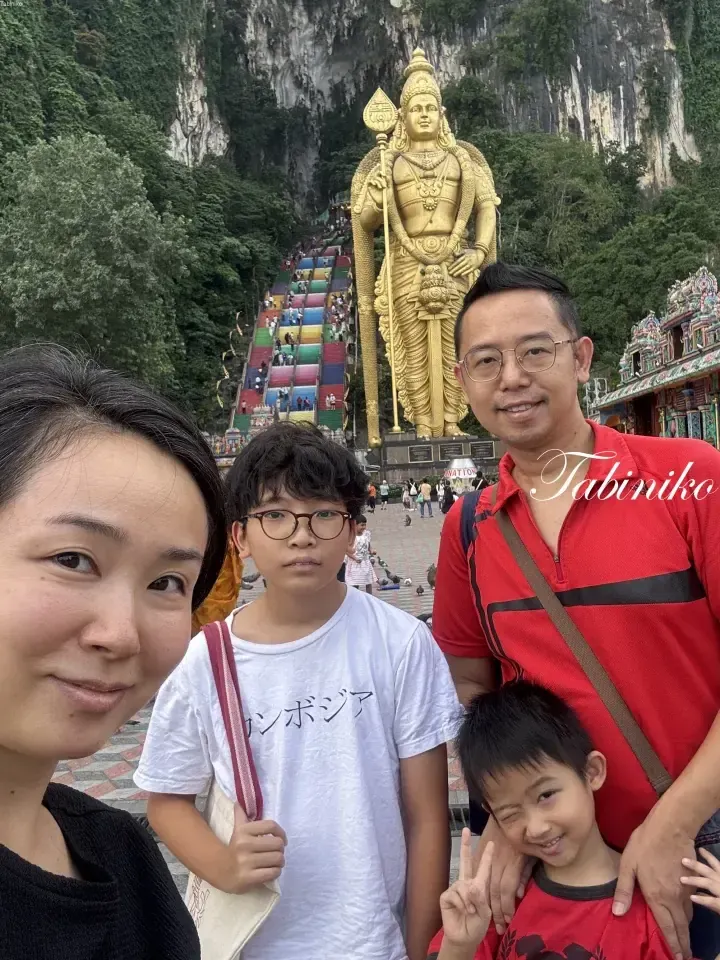
Or visit the Batu Caves, one of Malaysia’s most revered Hindu sacred sites.
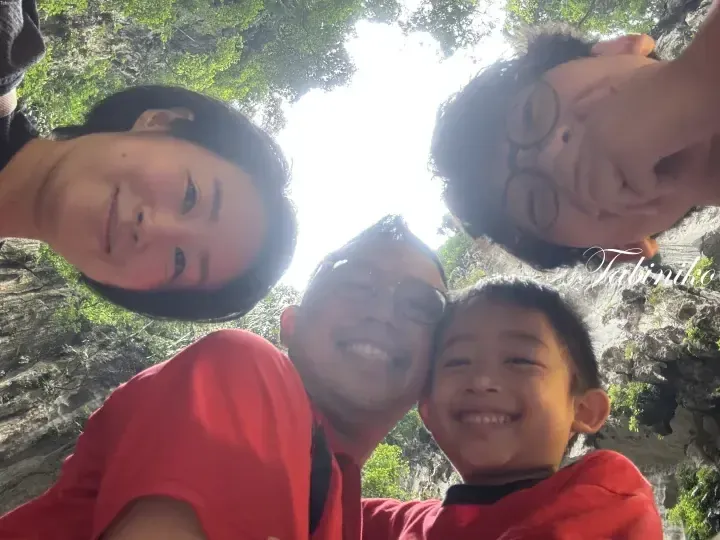
I worked my way up those long, long stairs—272 steps in total!
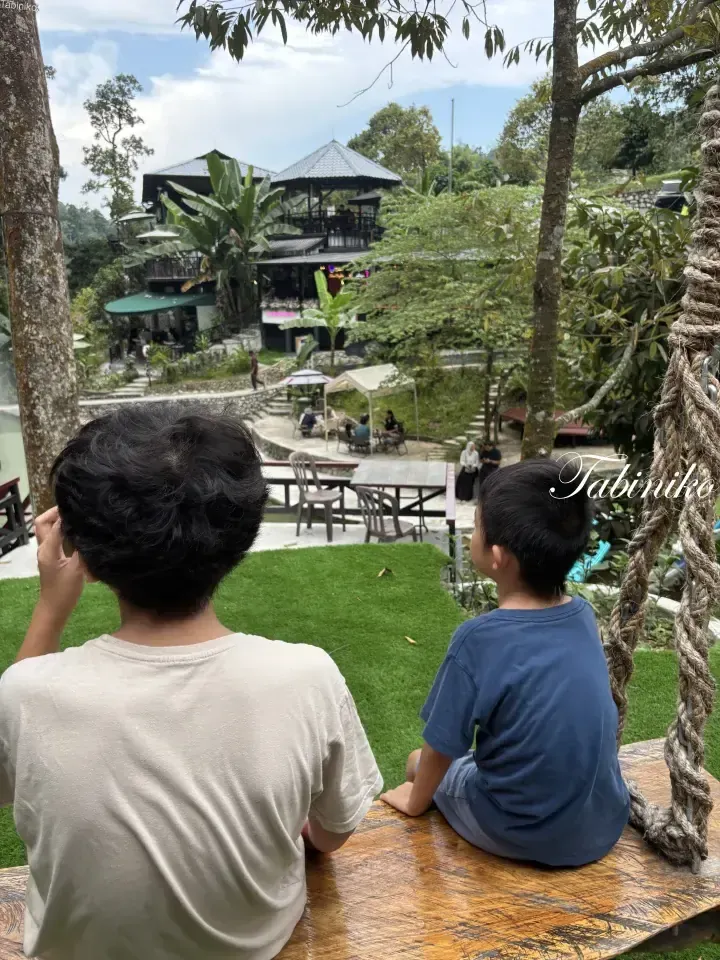
Or visit some fascinating, off-the-beaten-path spots. Since solo international students can’t really go out and play much when they have classes, it’s a great way to change things up and refresh their minds.
The biggest event for the Chinese community, the Lunar New Year, is celebrated with the whole family.
As Chinese New Year approaches, you’ll hear greetings like “Xin Nian Kuai Le” (Happy New Year) and “Gong Xi Fa Cai” (Wishing you prosperity). Of course, you say these to your family, too. And yes, even single international students are expected to say them (lol).
<The Day Before Lunar New Year, New Year’s Eve>
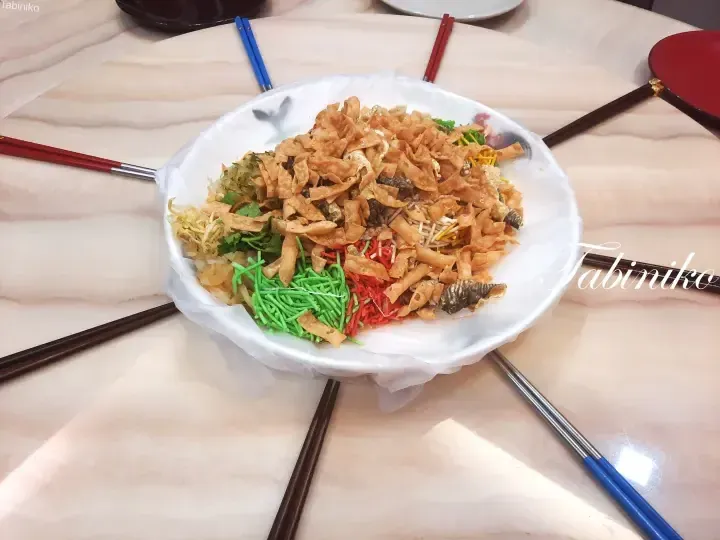
On New Year’s Eve, before indulging in a lavish feast, families and relatives gather around the table to enjoy Yusheng (Lo Hei), a dish similar to Japanese osechi that symbolizes good fortune. Using chopsticks, they lift the ingredients high into the air, tossing them upward while praying for luck and prosperity. The higher you lift the ingredients, the better the blessings! By the end, the table is often scattered with bits of food, which is also considered a sign of abundance. As the Lunar New Year approaches, people start enjoying Yusheng even before the actual celebration begins. Everyone can hardly wait (´▽`)
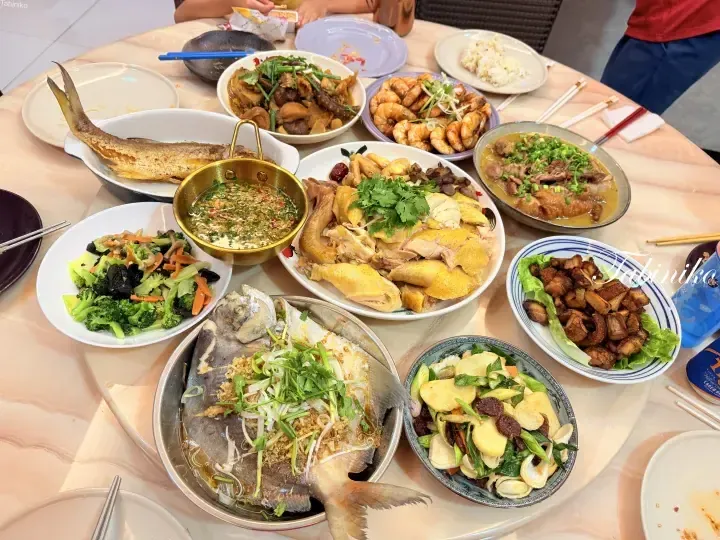
The New Year’s Eve feast begins with the mother-in-law heading to the pasar pagi (morning market) early in the day to buy ingredients like chicken, roasted pork, pork trotters, and fish. These are offered at the household’s Guanyin altar. Meanwhile, the rest of the dishes are prepared primarily by the sister-in-law, who uses prawns, abalone, sea cucumber, shiitake mushrooms, water chestnuts, and a variety of vegetables to create a sumptuous spread.
Preparing the New Year’s Eve feast is a big job from early morning. But it’s truly delicious!! I’m so grateful to enjoy the most special meal of the year!!
Once you’ve had a bite to eat, head to the nearby temple for the countdown!!


I always come to this temple to watch the lion dance!! It’s amazing that we can enjoy it for free!! The sight of a lion dance at a temple is just so atmospheric. The lion pays its respects at the temple while dancing, and as midnight approaches, fireworks light up the sky and firecrackers start popping—it’s packed with so many exciting events that it’s truly breathtaking (≧▽≦)
<Day 1 of Chinese New Year>
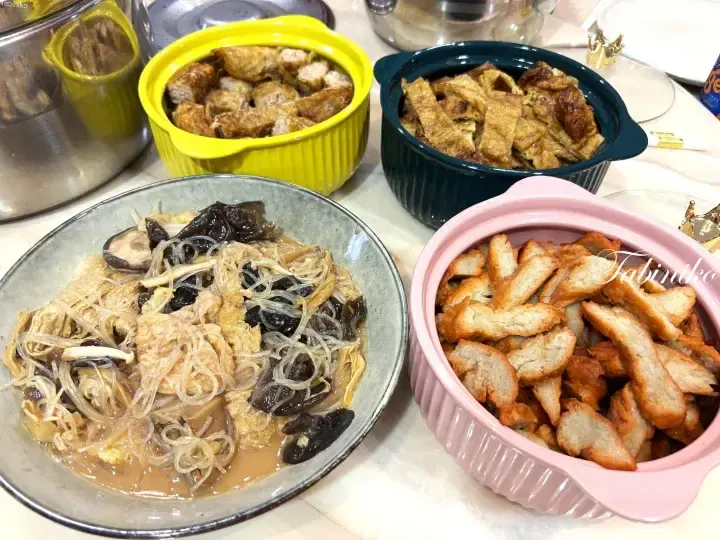
On the first day of the New Year, the menu is vegetarian.
For the Chinese community, there’s a tradition of abstaining from meat on the first day of the Lunar New Year. Instead, they enjoy meat-like dishes made from soybeans. These alternatives have a satisfying chewy texture and are delicious. After satisfying their appetites, the kids immediately get back to playing, creating a lively and joyful atmosphere!
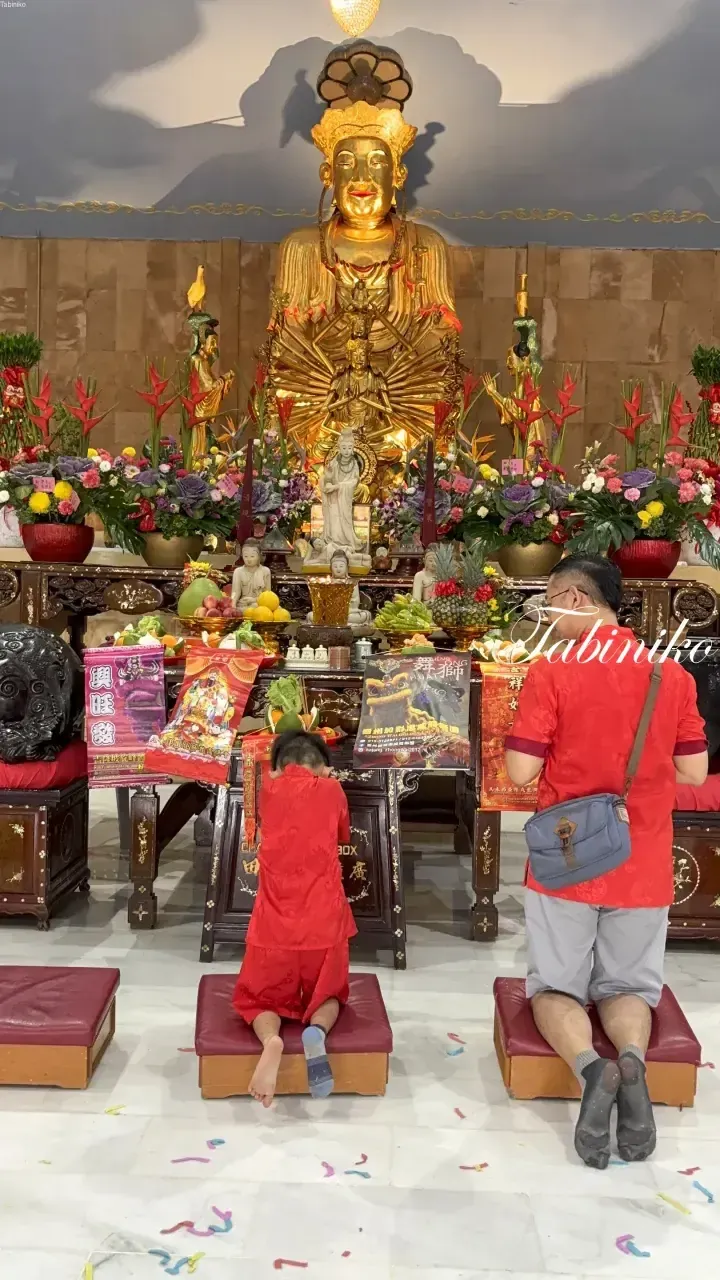
You visit the temple to pray, make a wish, and offer incense. If you’re interested and want to experience it, even solo international students join in offering incense.

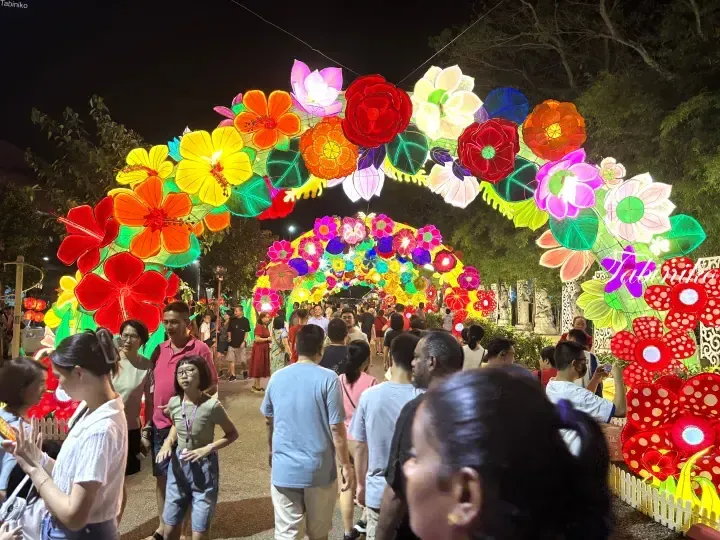
During the first month of the Lunar New Year, I go to the Lantern Festival and visit various places.
While Chinese New Year happens just once a year, here’s what our everyday meals look like.
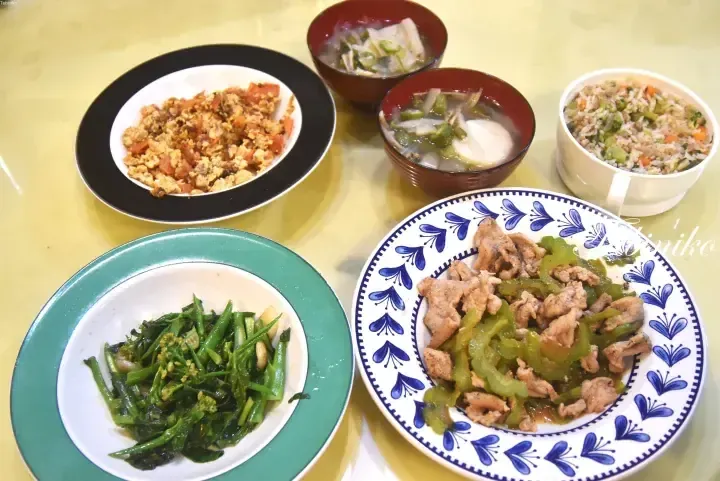
Chinese cuisine + miso soup
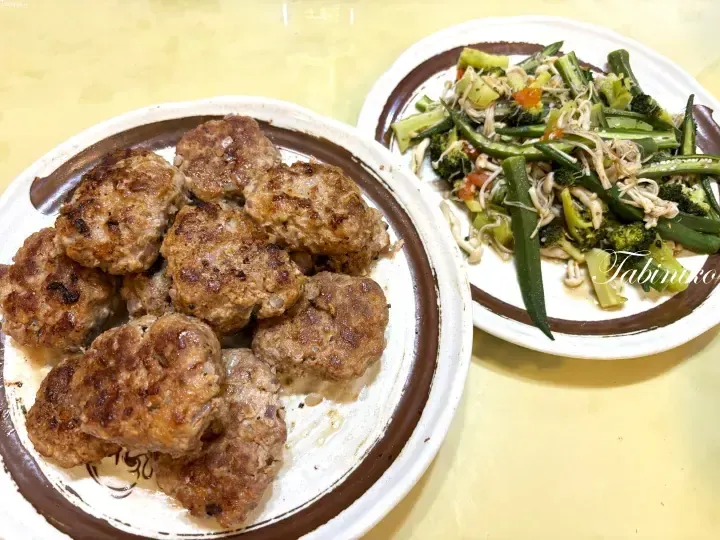
Hamburger Steak + Vegetables
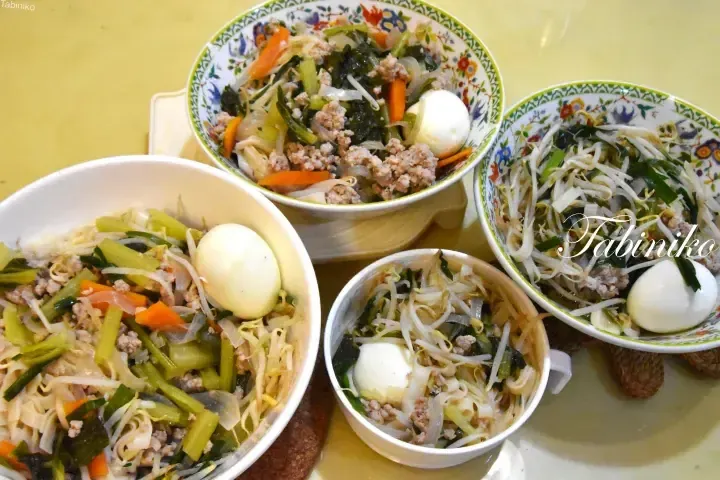
Chinese-style noodles loaded with veggies. This is lunch.

Vegetable-packed fried rice. This is lunch.
I also cook meals together with international students who are living on their own.
🙂📝 Last but not least, here’s a bit about us.
Eric is a Malaysian Chinese who graduated from high school in Malaysia, went to Japan for his studies, attended a Japanese language school, enrolled in a Japanese university, and then joined a Japanese company. He lived in Japan for 15 years. During his student days, he was a discipline committee member and had a serious personality. If the children in his care get up to any mischief, he makes sure to reprimand them.
I, Aya, moved to Malaysia in 2015 at the age of 34. I met Eric in Japan in 2011, got married, and lived in Japan for the first four years of our marriage.
One day, Eric suddenly told me, “I’ve landed a job in Malaysia, so I want to move there.” Because the company wouldn’t let him wait long for his response, he said, “Decide to move to Malaysia in just two days.” So, I quit the job I’d been doing in Japan for ten years. I was a bit reluctant, but also a little excited, and I ended up moving to Malaysia on impulse. I truly believe that without that burst of momentum back then, I wouldn’t have come to Malaysia. After moving, whenever there are Chinese community events, I spend time with my husband’s family. It’s during those moments that I finally start to feel like a true international bride.
Since Eric is a Malaysian Chinese and I’m Japanese, I provide guardian support for a student from Japan who’s living in a single dormitory.