
[Ayamama Blog] Local Favorite: Malaysia's 99 Speedmart Where You Can Buy Kampo and Medicine
Hi there! It’s Auntie Yayoi 👵🏻. Although the government hasn’t made an official announcement yet, Malaysia has been grappling with severe haze lately (haze is air pollution caused by smoke from slash-and-burn agriculture and forest fires in neighboring countries). During times like these, try to limit your outings as much as possible. At home, keep the windows closed and use an air purifier to keep the indoor air clean.
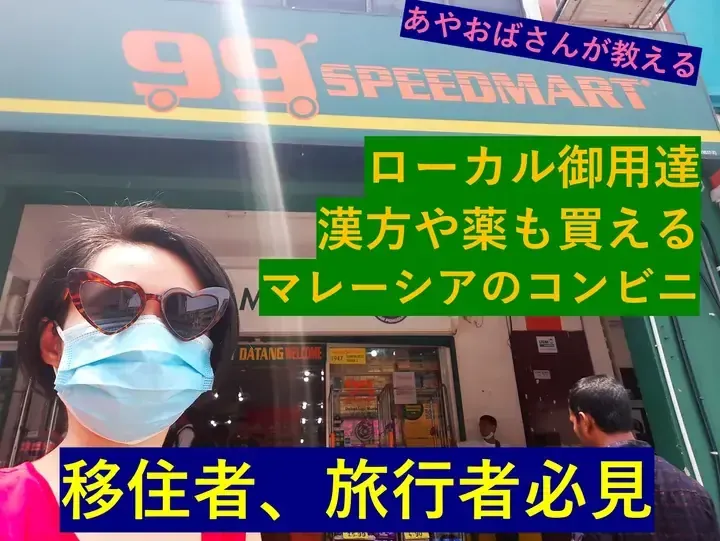
This time, we’ll introduce 99 SPEEDMART, Malaysia’s beloved local convenience store.
In Japan, convenience stores are often seen as places for busy office workers, with a slightly upscale image because their products are generally more expensive than those at supermarkets. But convenience stores in Malaysia are completely different from those in Japan. Busy office workers don’t usually go there. Instead, housewives like me visit them to buy daily necessities. My mother-in-law is also a frequent shopper there.
Malays, Chinese, and Indians—people from all ethnic groups shop here.
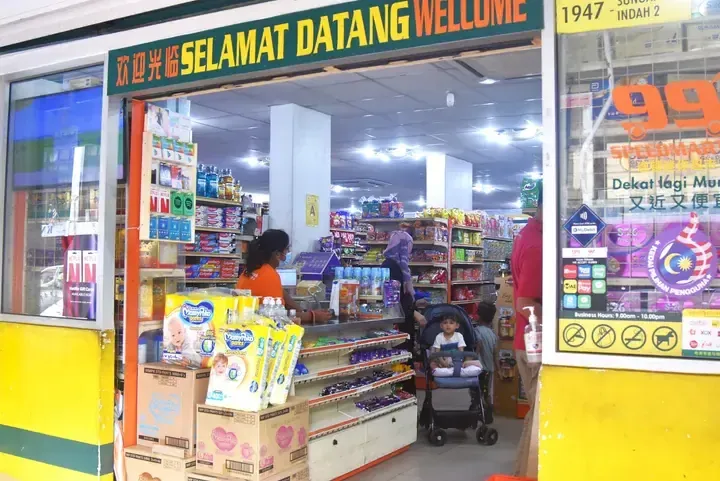
The entrance. SELAMAT DATANG means “Welcome” in Malay! While 99 Speedmart is highly recommended for those living in Malaysia, it’s also incredibly convenient for travelers popping in for a quick shop. Since Malaysia is hot, you can grab some water or buy food souvenirs to take home.
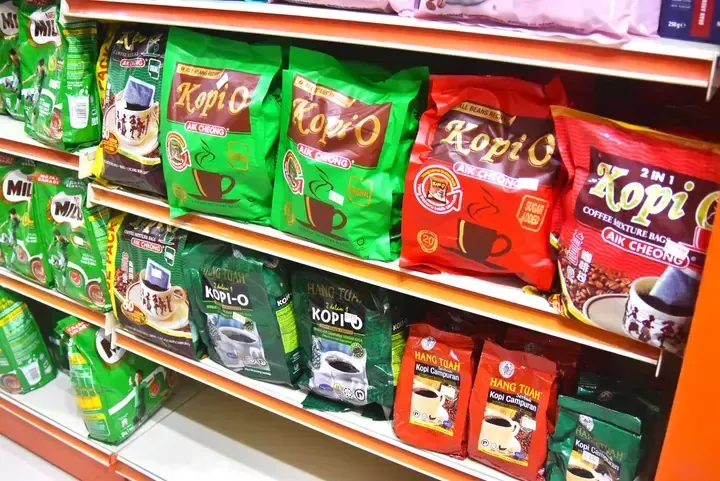
They also stock AIK CHEONG, a coffee recommended by traditional Chinese medicine practitioners and a favorite of Eric’s. It contains very few additives.
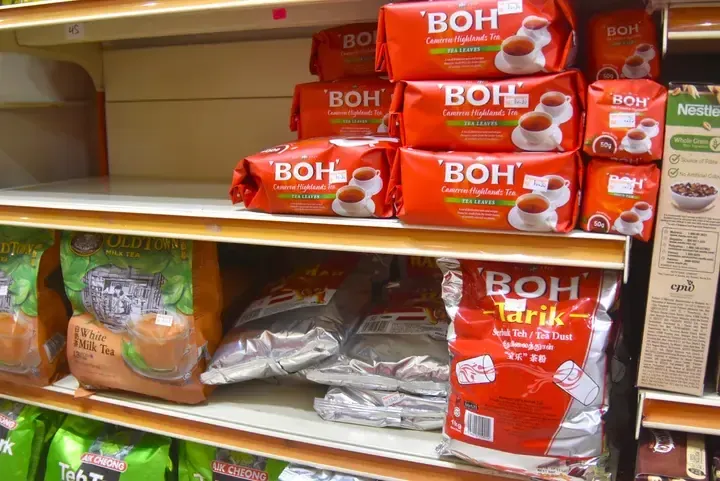
They also have BOH tea. The smallest pack is just RM1.75—perfect for casual souvenirs. You don’t need to go out of your way to buy gifts; picking something up on the way to other errands at local spots like this can save you time.
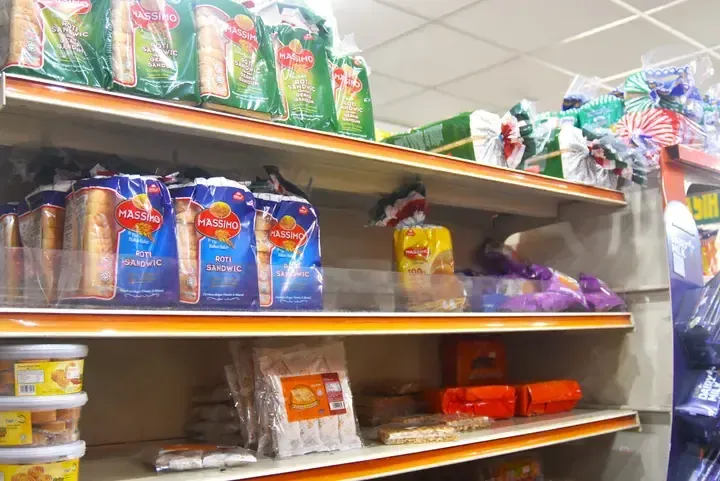
The MASSIMO roti sandwich I eat every morning. It’s the one in the dark green packaging at the top of the photo. The bread doesn’t seem to arrive every day, so if you’re not there at the right time, they might be completely sold out. When they do restock, it’s usually around noon, though this may vary by location.
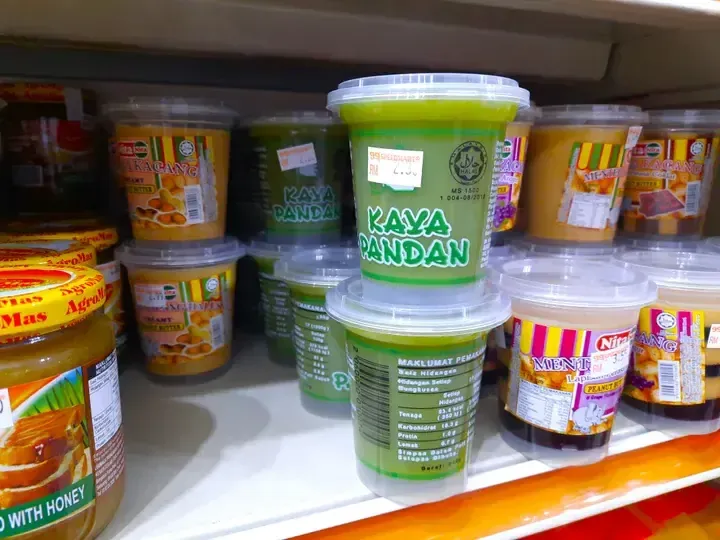
I highly recommend this Kaya Pandan to spread on your bread. It’s only RM2.3. So cheap!! My Japanese friends told me that the Kaya jam sold in supermarkets is way too sweet 💦, but this one has just the right level of sweetness for me, and it’s affordable, so I always buy it to spread on my bread. However, it’s often out of stock, so whenever I do find it, I’ll grab 2–3 jars at a time. Just be careful not to buy too much, as the shelf life isn’t very long 😊. This is also a great option for casual gifts! Plus, it doesn’t take up much space in your suitcase 😄
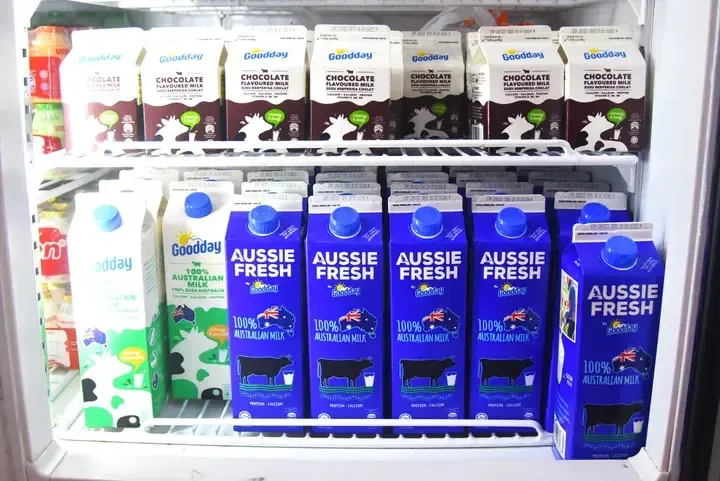
They also sell unsweetened milk, so I occasionally pick some up.
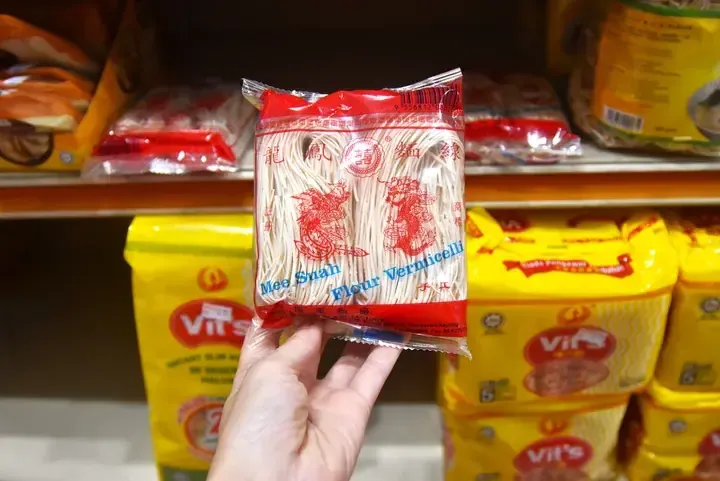
This is dried noodles. Each pack contains two bundles and costs RM1. As far as I know, this is the cheapest option, even when compared to other shops, let alone supermarkets. Chinese families typically eat these noodles when someone has a fever. Rice is considered a “heating” food, so congee isn’t recommended either. So, when my son gets a fever, I boil these noodles and serve them in a light broth with vegetables and pork (since both pork and chicken are also considered “heating,” they’re avoided during fevers).
Since these dried noodles are made with wheat flour, they can attract pests if stored at room temperature, so I always keep 2–3 packs in the fridge. They’re easy to buy in small quantities, and having a little stock on hand gives me peace of mind when my son suddenly develops a fever. They’ve been incredibly useful!
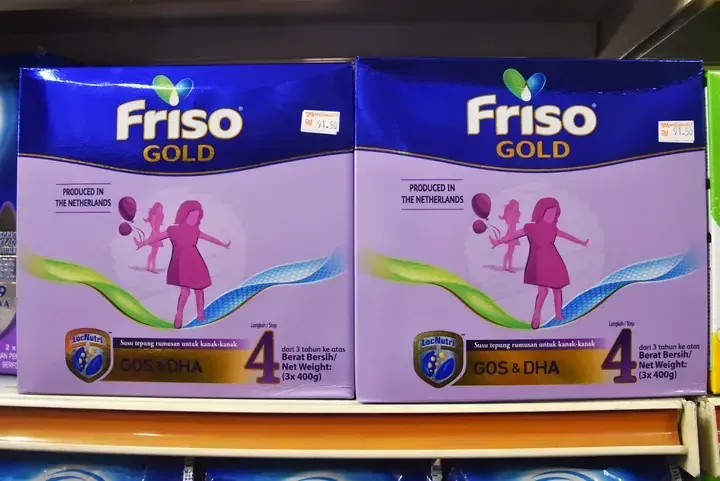
They also sell powdered milk, which I give to my 3-year-old son every day. While it seems there’s no habit of drinking powdered milk at age 3 in Japan, children in Malaysia often continue to drink it even when they’re quite old, as parents believe it helps boost their immunity. There’s also powdered milk specifically formulated for pregnant women.
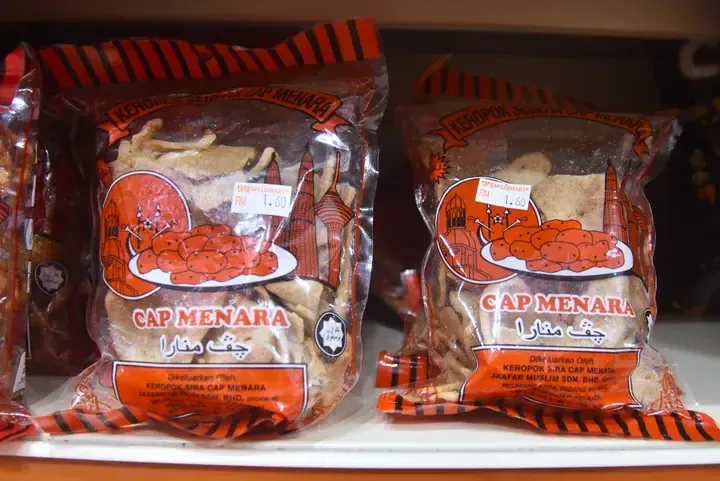
My absolute favorite chips! The fish flavor is perfectly balanced with a savory saltiness, making it impossible to stop at just one. Highly recommended as a souvenir!
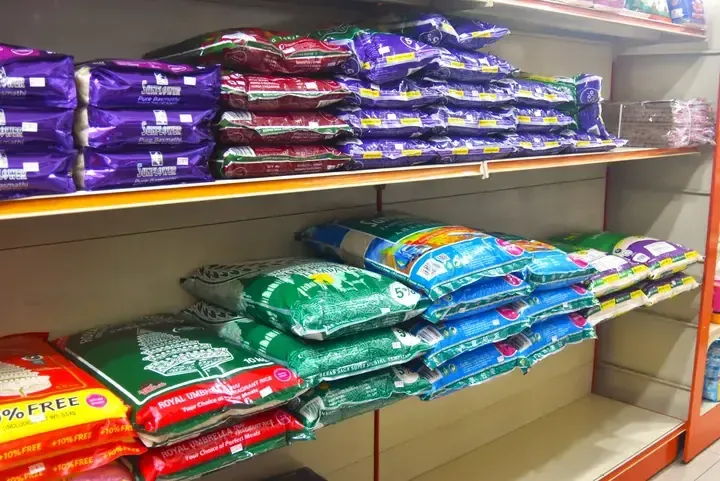
Local rice tends to attract bugs easily, so we just buy more at the nearby 99 SPEEDMART when we run out. While many Japanese people store rice in the refrigerator, locals typically keep it at room temperature. We also consume quite a bit of rice, so storing it in the fridge would take up valuable space, which is why we keep ours outside. Adding chili peppers or garlic helps deter pests to some extent, but bugs still manage to appear, so we’ve adopted a system of buying a new bag as soon as the current one is finished.
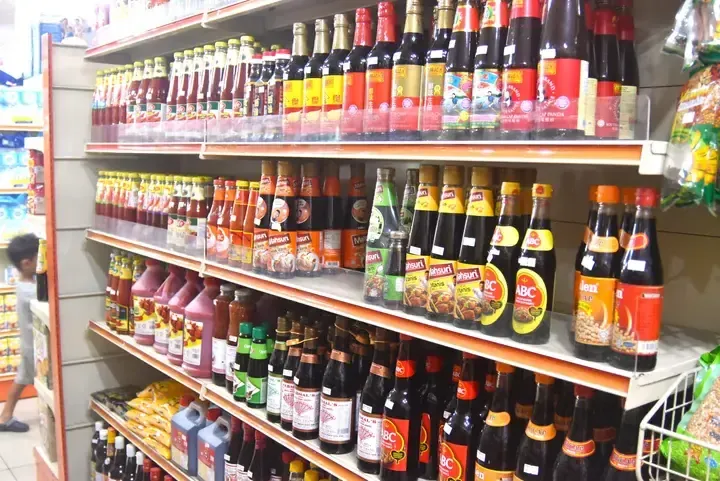
They also sell a variety of condiments. Sometimes they’re even cheaper than at the supermarket!
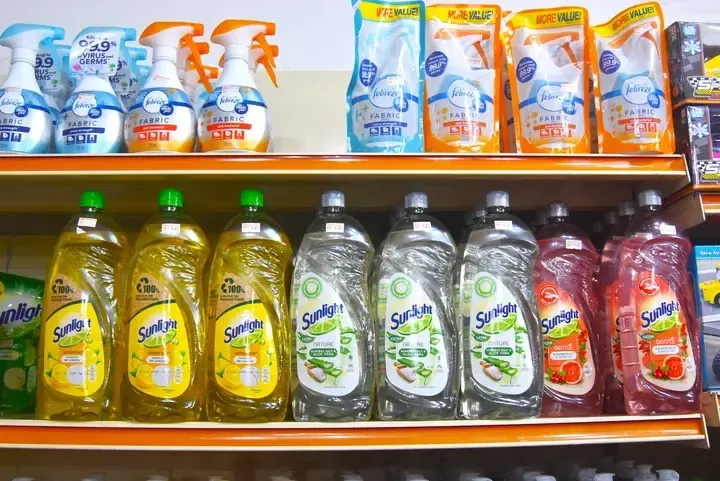
I love using Sunlight dishwashing liquid, and they also have a NATURE line specifically designed for children and babies.
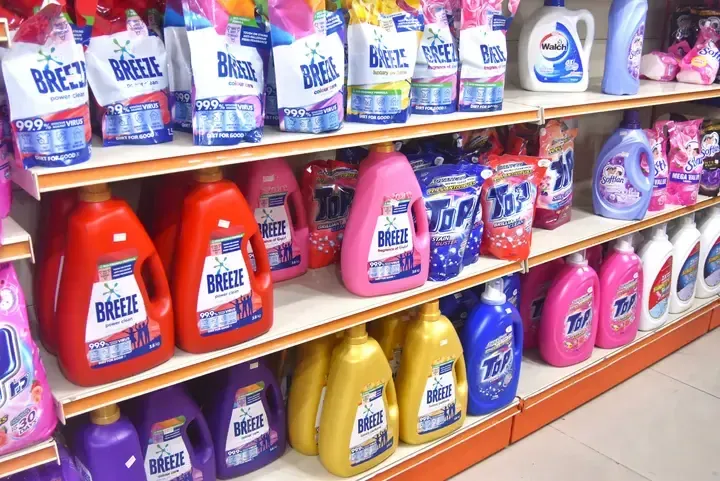
I also have a laundry detergent that I always use.
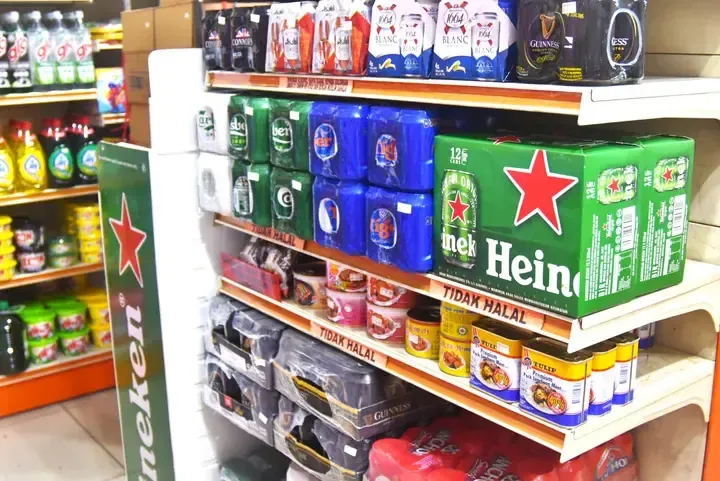
Drinks are also stocked further back.
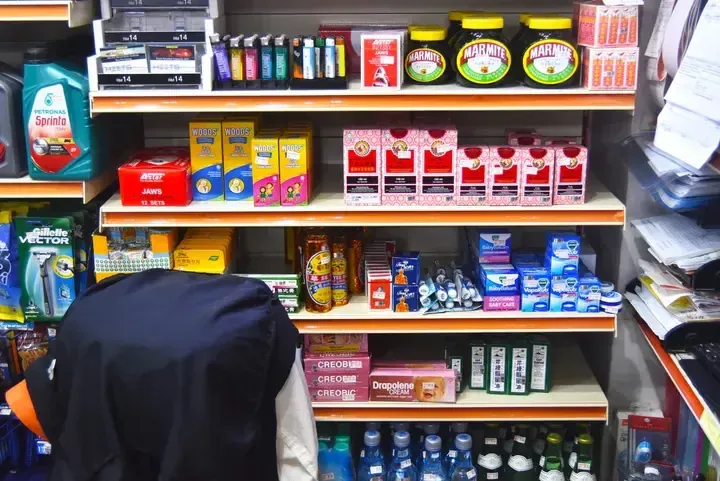
Behind the counter, you’ll find a small selection of traditional Chinese herbal remedies and other medicines. Below, I’ll introduce some of the herbal remedies and medicines that I occasionally use.
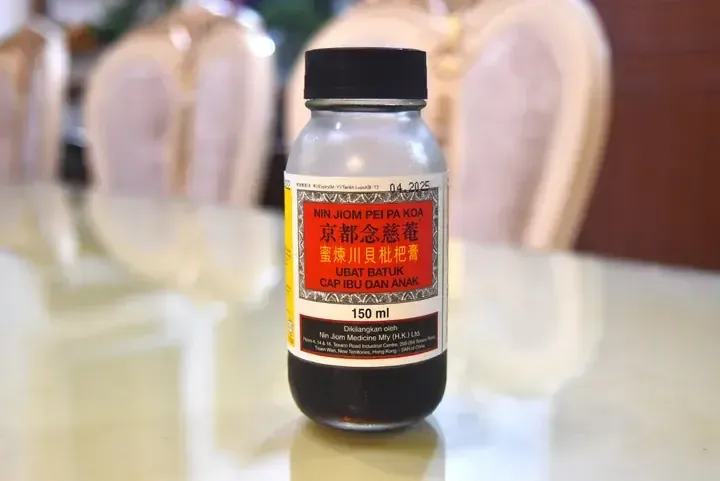
Kyoto Nianci An Chuanbei Pipa Gao:
A must-have for Malaysian Chinese folks 😍 This is a traditional Chinese herbal remedy that’s great for your throat. I highly recommend it when you’re feeling a bit off in the throat! To take it, just scoop out one spoonful and swallow it straight. It’s not exactly delicious, but it’s easy to drink. Be sure to store it in the fridge after opening. Ours is always kept in there. I’m not entirely sure of the price, but I think this 150ml size was under RM10. It’s so cheap that I’ve forgotten the exact price (lol).
The haze has been really bad lately, so if your throat feels off, give this a try!
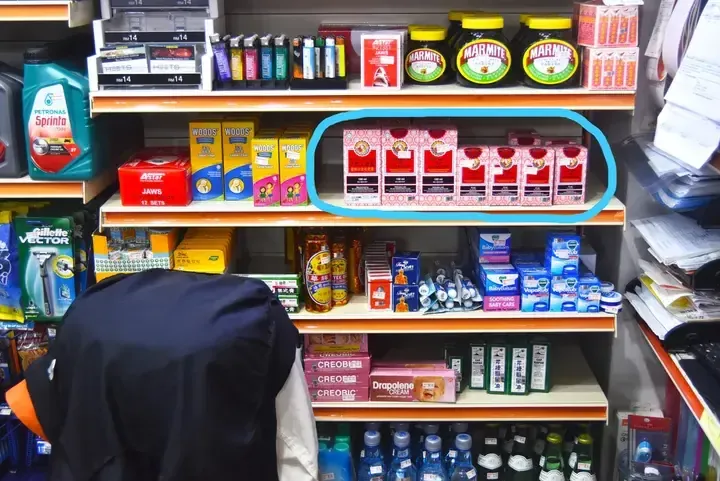
This is what’s inside that red box behind the register.
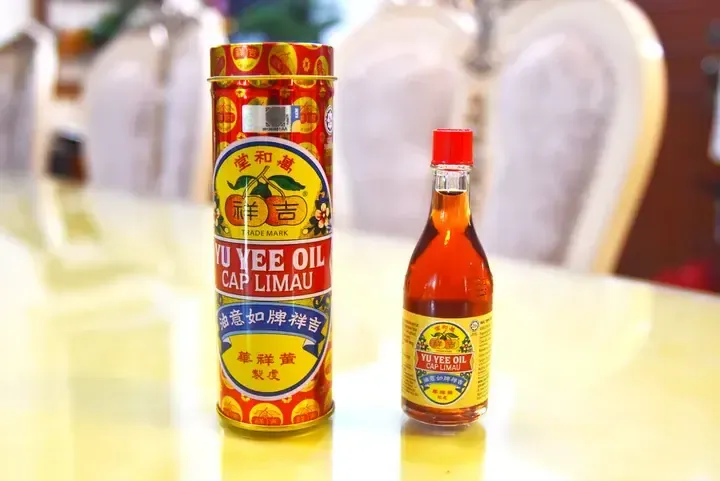
Ruyi You
I recently overate and got a stomachache, so my mother-in-law told me to apply this to my stomach, and it really worked. I applied it, and about 20 minutes later, the pain was gone.
A traditional Chinese herbal remedy applied topically to alleviate indigestion, gas buildup, colds, and nasal congestion.
When my son was a baby, I always rubbed his tummy after bath time. It was to help release gas from his abdomen.
I always keep one on hand. There are about three sizes, and I believe this one is the medium size, priced at RM11.5. I can’t even remember the price anymore because it was so cheap (lol).
How to use: Dispense a few drops into your palm, rub your hands together two or three times, and then apply to your stomach or other areas.
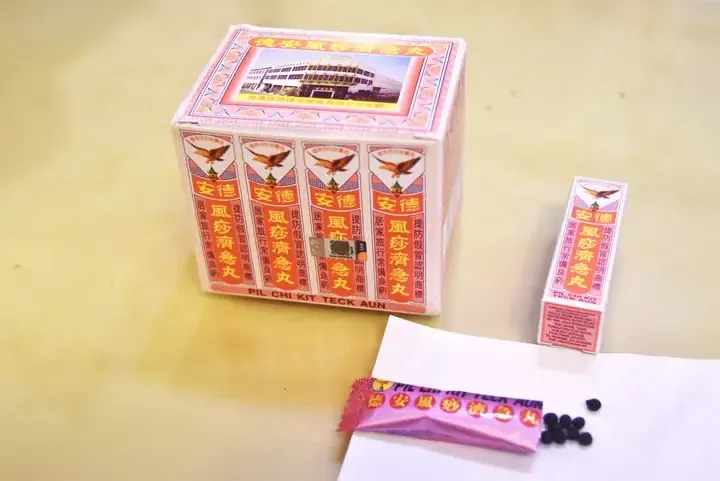
Fengsha Wan:
This is a Chinese herbal medicine taken when experiencing symptoms such as abdominal pain, mild vomiting and diarrhea, and indigestion. The box contains pink sachets; take two of these sachets (containing black granules) at a time.
I drink this occasionally, so I always keep a bottle on hand.
It costs RM1 per box (which contains one pack). Although it’s often sold in sets of 12 boxes, they’re happy to sell you just a single box.
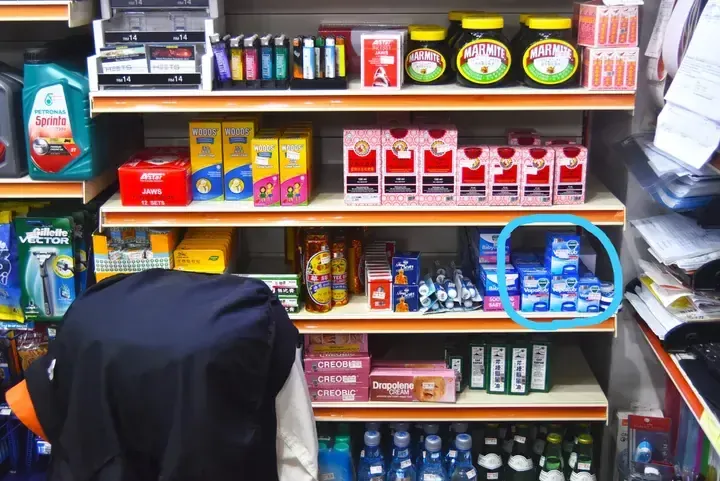
Vicks VapoRub:
A topical rub designed to relieve cold-related symptoms such as nasal congestion and sneezing. Its active ingredients work through a dual-action mechanism: the warming effect of body heat creates steam that eases breathing via inhalation, while simultaneously improving blood circulation in the chest, throat, and back to warm the body through a patch-like effect, effectively alleviating various cold symptoms.
Eric uses it occasionally.
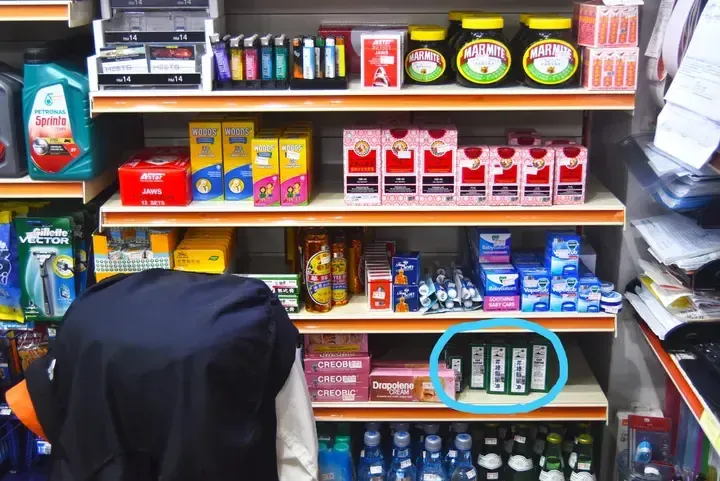
Fuxiang Qufeng Oil:
Temporary relief from headaches, colds and nasal congestion, muscle and joint pain, indigestion, dizziness and motion sickness, as well as itching from insect bites.
How to use: Apply a few drops to the affected area and gently massage.
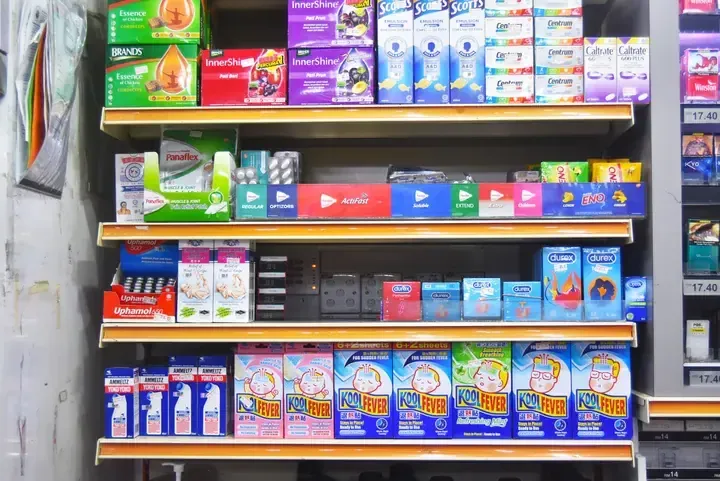
The green box in the top-left corner of the photo contains BRABDS, a chicken extract that’s said to boost your energy. I’ve never tried it myself, but I believe it’s similar to an energy drink. It’s occasionally consumed by people of Chinese descent.
This product is recommended for:
For busy individuals who want to make the most of every day
Drivers who need to focus on the road
Seniors who want to stay more active
I also bought Panadol to take after getting my COVID-19 vaccine. In Japan, they only sell it in boxes, but in Malaysia, they sell it in individual blister packs—aluminum sheets with each tablet sealed separately. You can buy them sheet by sheet! It’s something you can’t even imagine in Japan 😅
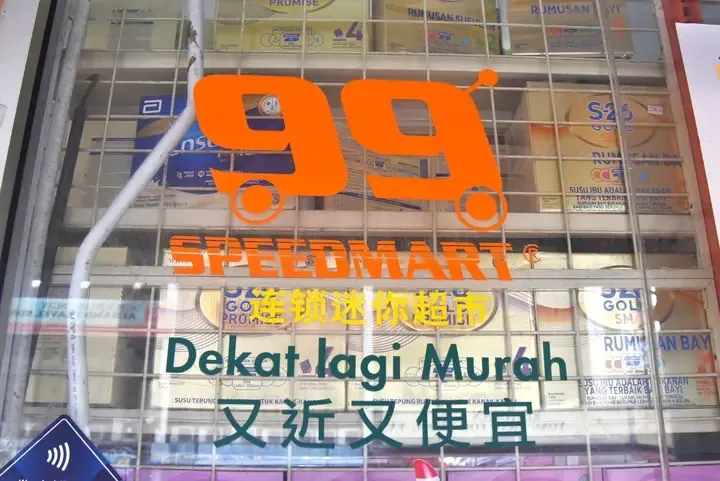

99 Speedmart is typically located in a corner of a shop lot.
Let me introduce you to some more shops! 😊
See you next time~👋🏻👋🏻👋🏻