
Aya Mama Blog 🀄Chinese Dried Food Store🀄 in Malaysia
Hello, it’s Ayaobasan 👵🏻 Today, I’m introducing some Chinese-style dried food stores that I frequent. By choosing the right shop for each item, you can save money and expand your cooking horizons!
There aren’t many shops in Japan that specialize in dried foods, are there? This store not only stocks a wide variety of dried goods but also carries many other ingredients commonly used by the Chinese community, all at affordable prices. Lately, I’ve been visiting this shop quite often. It’s located in Bander Mahkota Cheras, which is a bit far from areas with a high concentration of Japanese residents. However, since there are numerous Chinese dried food stores scattered around, I highly recommend taking a stroll through the shop lots near your home to see if you can find one close by.

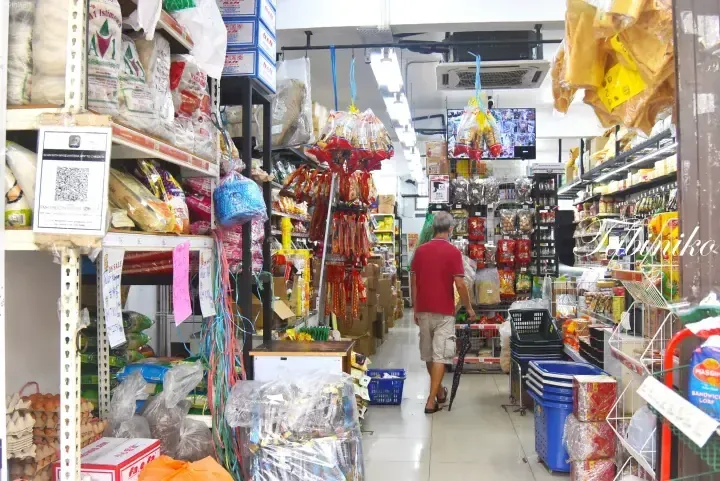
Here’s what the store looks like inside. It carries a variety of dry goods, canned items, condiments, rice, eggs, noodles, frozen foods, and other pantry staples—everything except fresh vegetables and meat.
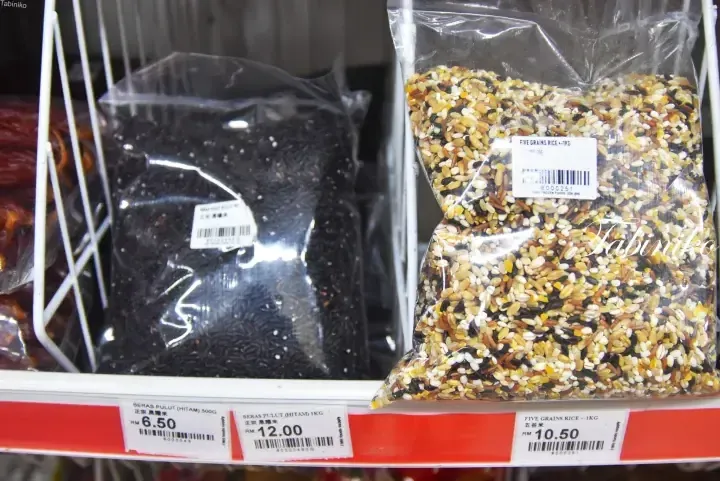
My favorite five-grain rice (on the right) is RM10.5 per kilogram. It’s incredibly cheap!!! Supermarkets also sell five-grain rice, but it’s more expensive there. The one on the left has a label that says “black glutinous rice,” so it’s black mochigome. I don’t use this at all, so I’m not sure what kind of dishes it’s used for… Among Chinese Malaysians, glutinous rice is considered hard to digest, so they tend not to eat it at night. For that reason, I haven’t had any sekihan (red bean rice) since coming to Malaysia~.
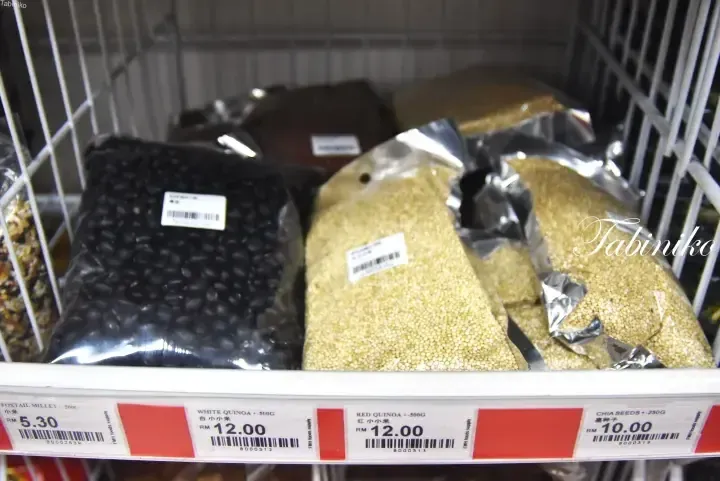
On the left is 1kg of black beans for RM5.3, and on the right is 500g of quinoa for RM12. Both are incredibly cheap! I’m pretty sure quinoa costs around RM30 for 500g at other supermarkets, so this is really a steal. They were out of stock on this day, but they also sell millet.
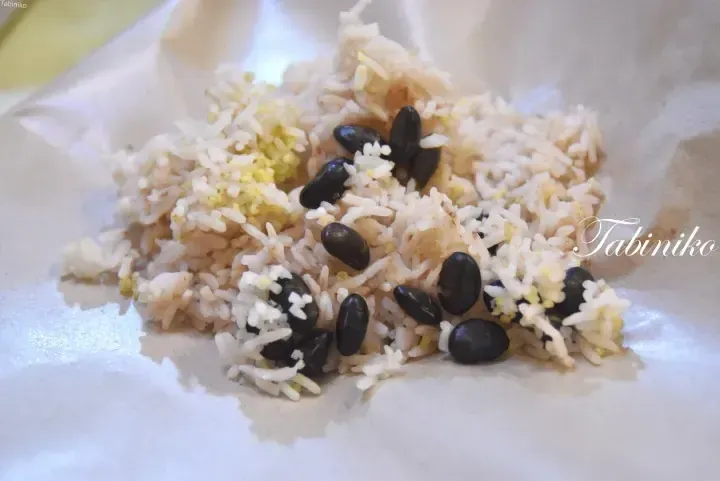
↓↓ This is what we eat for our meals. While mixing five-grain rice is great, rice cooked with a blend of black beans, quinoa, and millet is also delicious and healthy! My mother-in-law taught me to add black beans to the rice cooker, so I’ve been mixing in quinoa and millet as well. You don’t need to soak these black beans beforehand; you can just throw them straight into the rice cooker and cook them. Usually, beans need to be soaked overnight to soften them up, but since these black beans don’t require pre-soaking, they’re a great time-saving ingredient. If you prefer softer beans, soak them overnight. My three-year-old son loves these black beans so much that he even steals beans meant for others! 😅
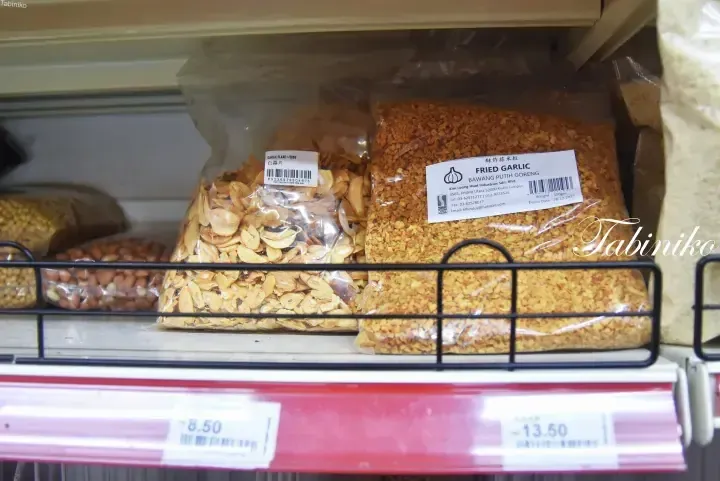
These are fried garlic chips. They come in both sliced and minced varieties, and they’ve become my go-to time-saving convenience ingredient 😆 Peeling and washing garlic is such a hassle, isn’t it? Just sprinkle a little of this on top after stir-frying, and you’ll instantly have a dish with a delicious garlic flavor.
I’m Aya, an old lady who’s always just thinking about how to make things easier for myself. 👵🏻
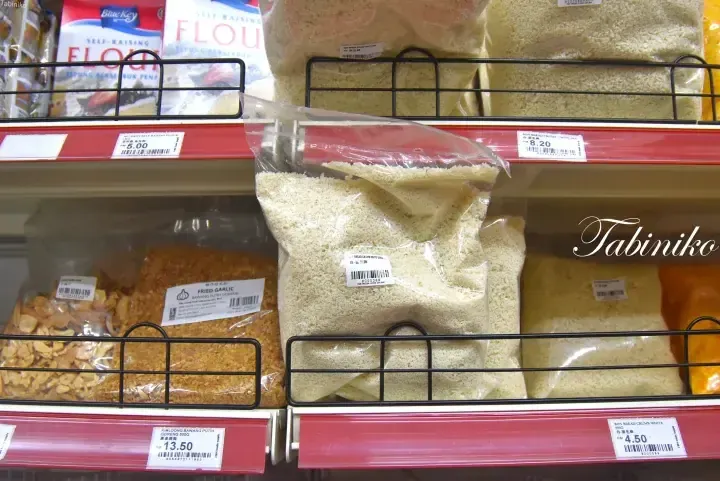
This is breadcrumbs. When I first arrived in Malaysia, I used to search for breadcrumbs quite often. You can find them at dried food ingredient stores or shops that specialize in baking supplies. There’s no need to buy expensive breadcrumbs from Japan. As you can see slightly in the photo on the right, Malaysian breadcrumbs come in an orange color for some reason. They’re affordable, too—500g costs only RM4.5.
As a side note, Malaysia’s tropical climate means ingredients spoil quickly, so I store breadcrumbs in the refrigerator.
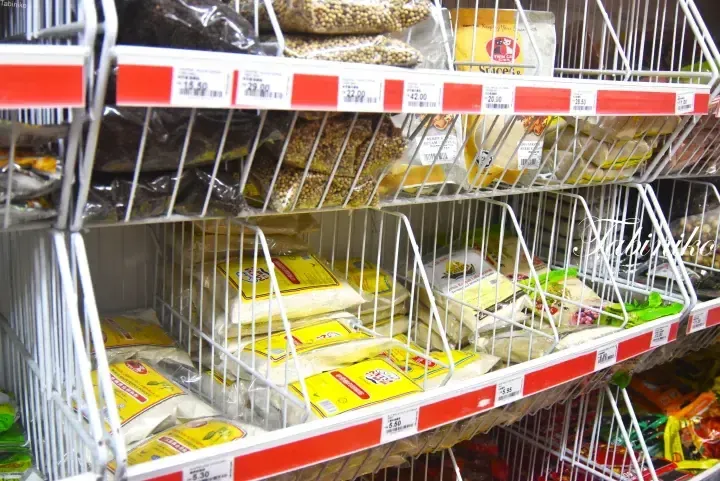
Sarawak pepper is famous here, so you’ll find a wide variety of options for sale. Each bag contains 500g, which is quite a lot—even for me, who cooks every day, it doesn’t go down very fast 😅💦 It would be great as a souvenir if they offered smaller packs!
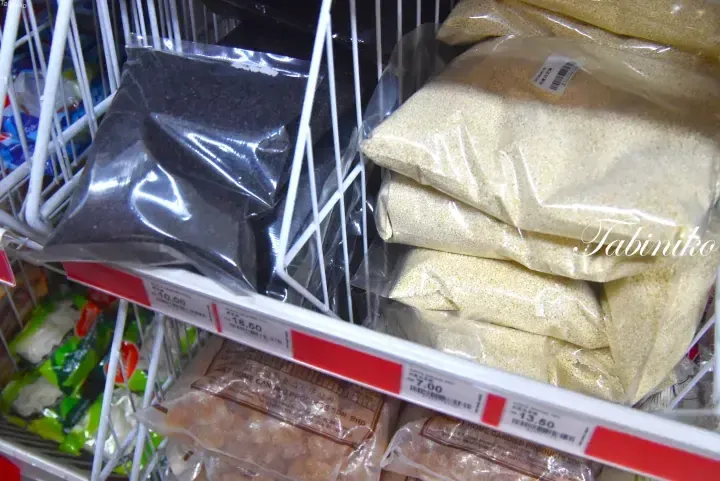
These are black sesame seeds and white sesame seeds.
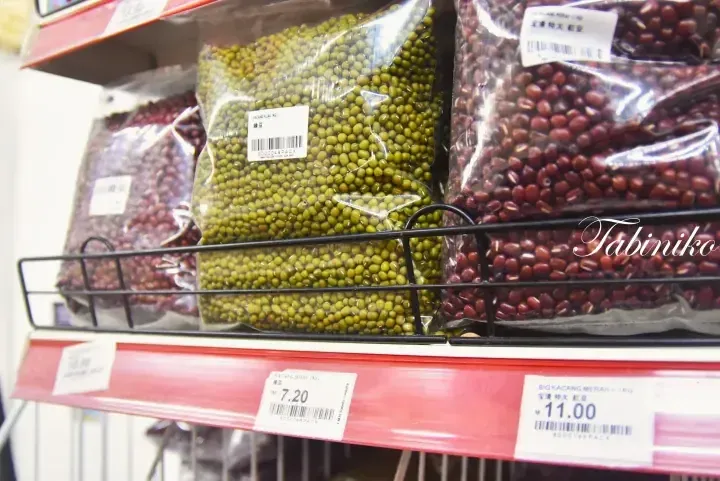
There are also adzuki beans and mung beans.
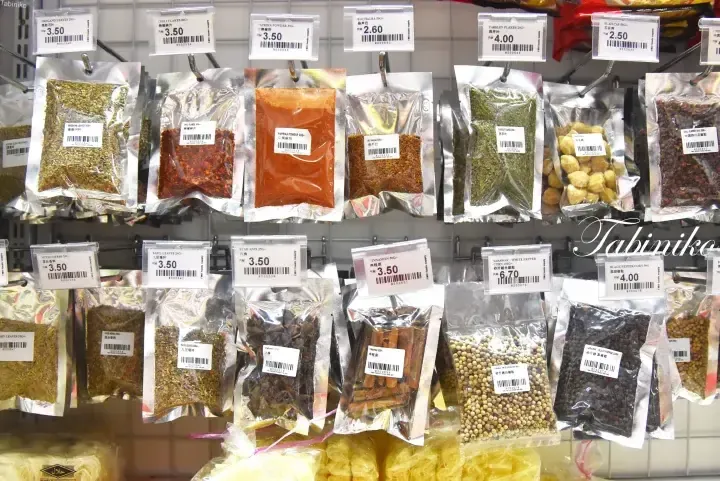
Spices are sold in small, individual portions. It’s a nice touch that they’re packaged this way.
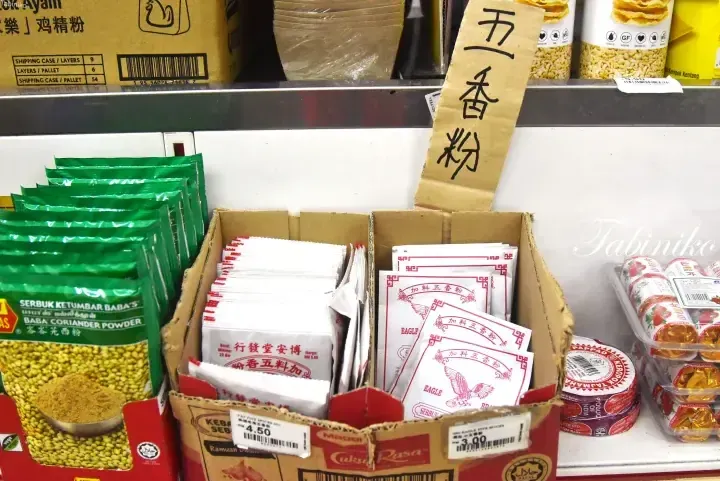
Recently, Eric’s family seasoned a dish using Chinese five-spice powder, and it was absolutely delicious. I’ll ask them for the recipe next time and write a blog post about it!
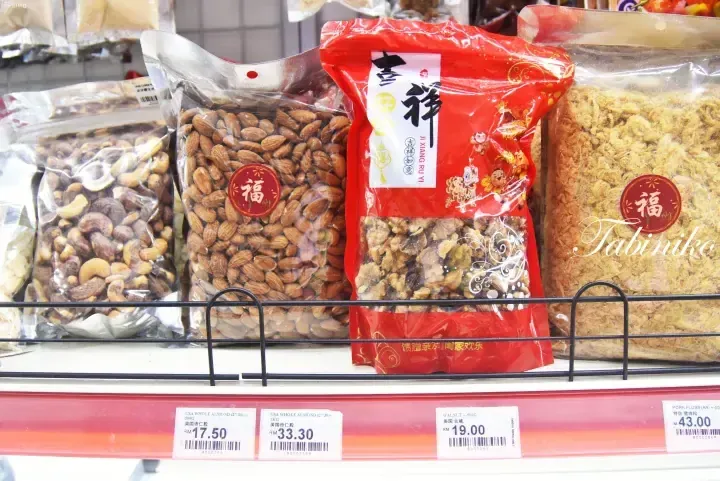
My breakfast usually consists of bread and a drink made with milk, honey, almonds, and walnuts. I always buy my almonds and walnuts here because they’re so affordable. Walnuts are RM19 for 500g, and almonds are RM33.3 for 1kg. This is the cheapest place I know for these nuts!
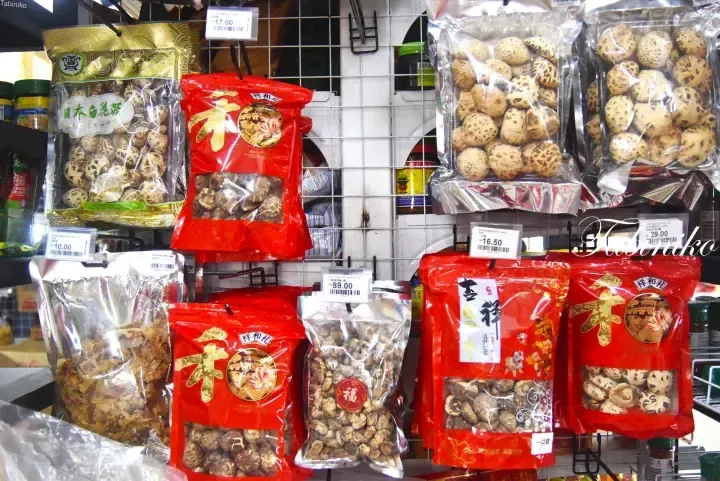
There are all sorts of dried shiitake mushrooms! Since Chinese cuisine makes such frequent use of shiitake, you’ll find a wide variety to choose from.
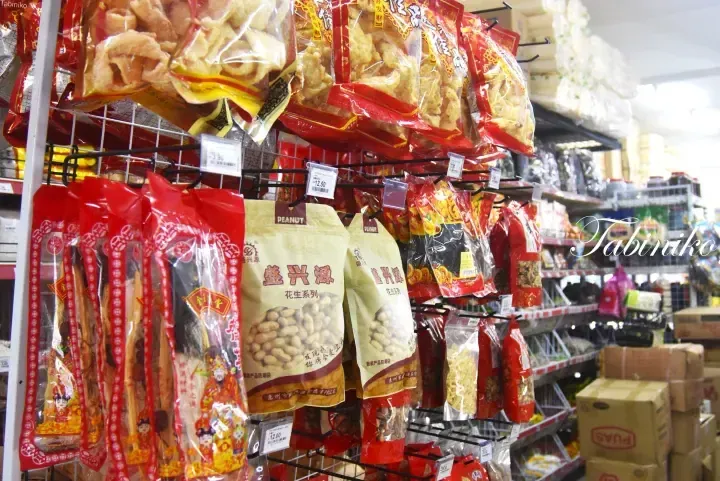
Peanuts, traditional Chinese medicine, and what you see on top of the photo are fish bellies. Chinese Malaysians eat fish bellies regularly, but they’re also a popular choice for celebrations like New Year’s Eve. They have a delightful chewy texture and are absolutely delicious!
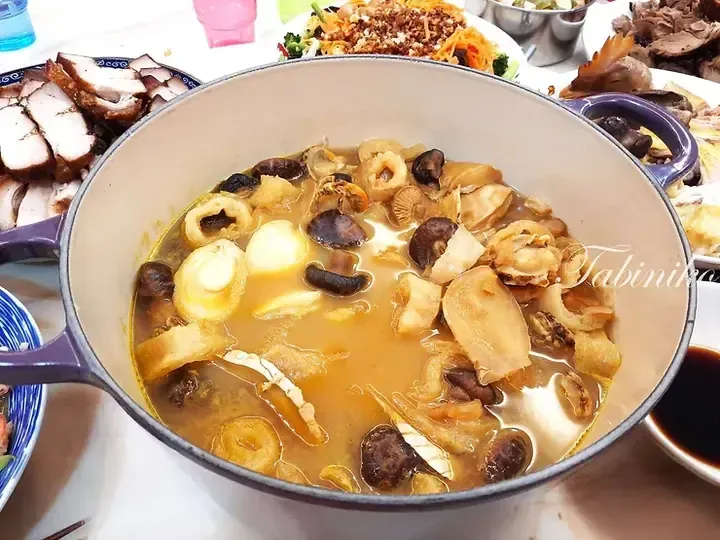
↓↓↓This is a simmered dish using fish belly. I had it on New Year’s Eve last year. In addition to fish belly, it includes abalone, scallops, shiitake mushrooms, ginger, and other ingredients. The seafood-based broth is incredibly delicious 😍
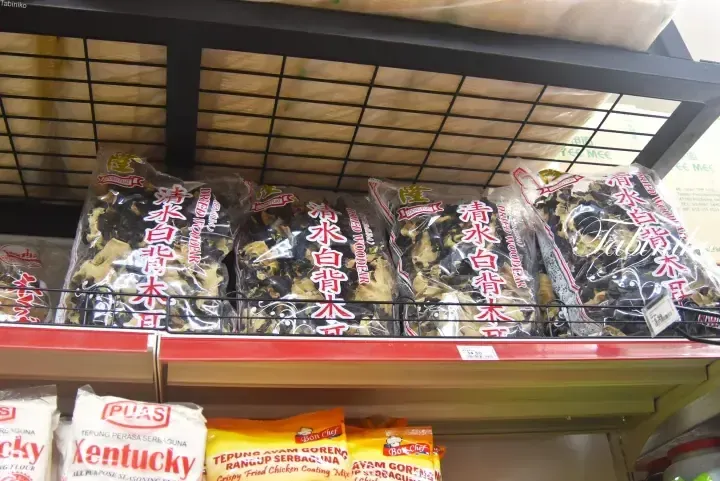
Dried wood ear mushrooms. It’s hard to gauge the size from the photo, but they’re roughly the size of a 10kg bag of rice. Wood ear mushrooms are a staple in Chinese cuisine, so maybe shop staff buy them in bulk? When I visited the store yesterday, I saw someone purchasing three bags. My mother also bought some when she visited from Japan. Since they come in such large quantities, it’s tough to use them all up! 😅💦
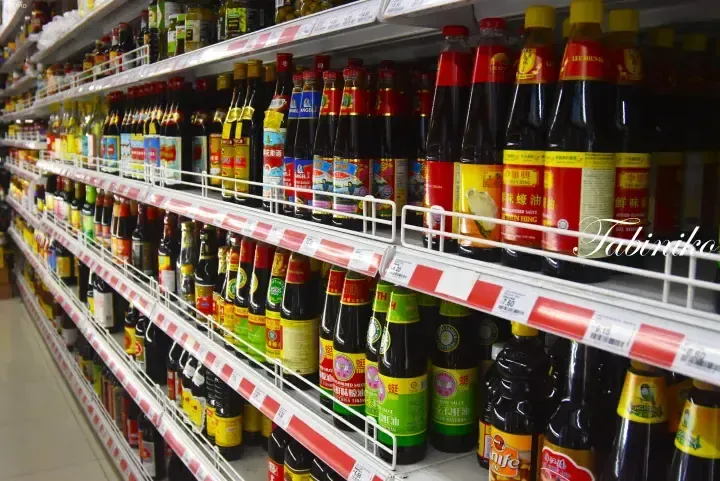
The variety of bottled condiments is impressive. Local supermarkets don’t stock much alcohol, so I buy Shaoxing wine here, which I use regularly for cooking. Chinese-style dishes often call for Shaoxing wine when stir-frying. From my personal experience, stir-fried dishes tend to taste better with Shaoxing wine than with standard cooking wine.
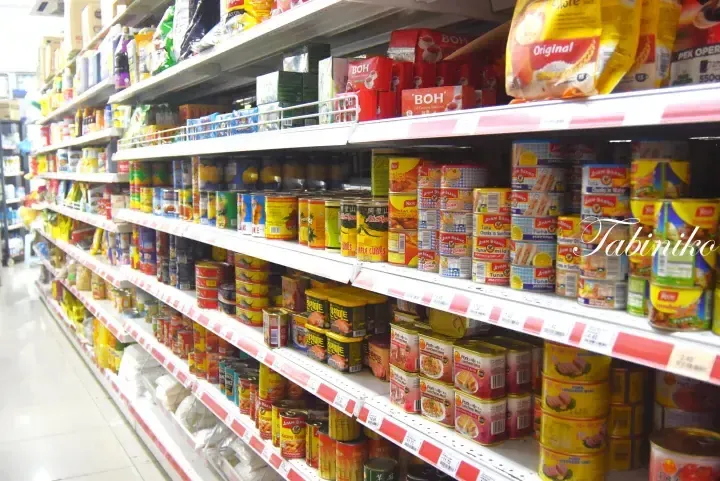
So many canned goods!!!
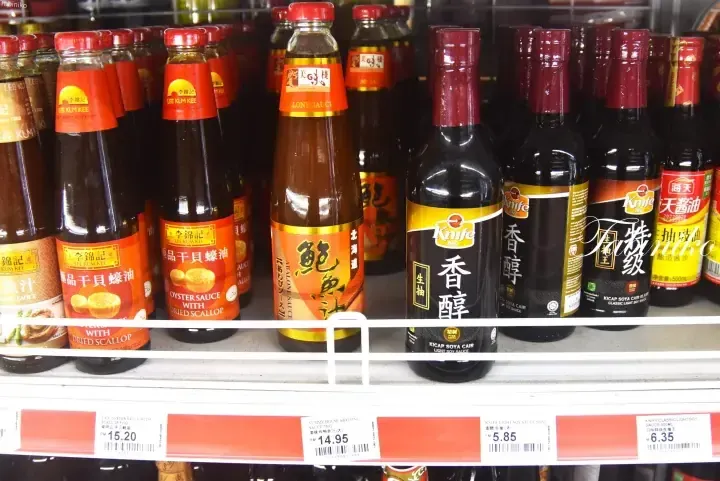
They also sell the abalone sauce that I love using. I’ve written about this in a previous blog post on local supermarkets in Malaysia, but adding just a little bit to your stir-fry right before turning off the heat makes for a delicious dish. It’s a time-saving condiment because you don’t need to use a variety of other seasonings.
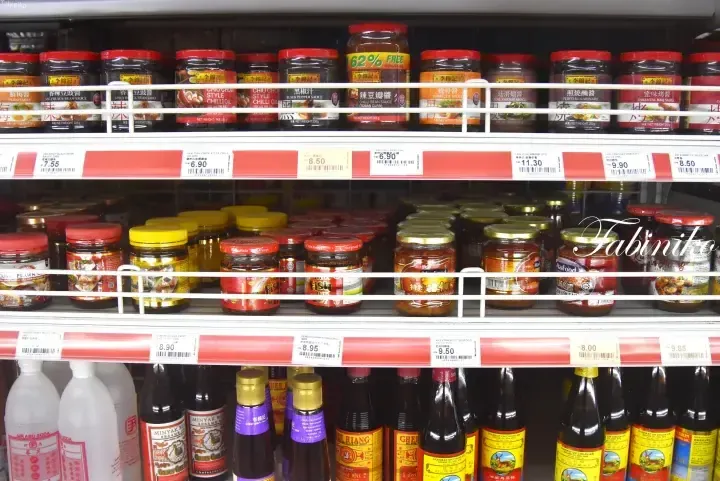
There’s a wide variety of Chinese condiments on sale, so it’s hard not to want to try them all!
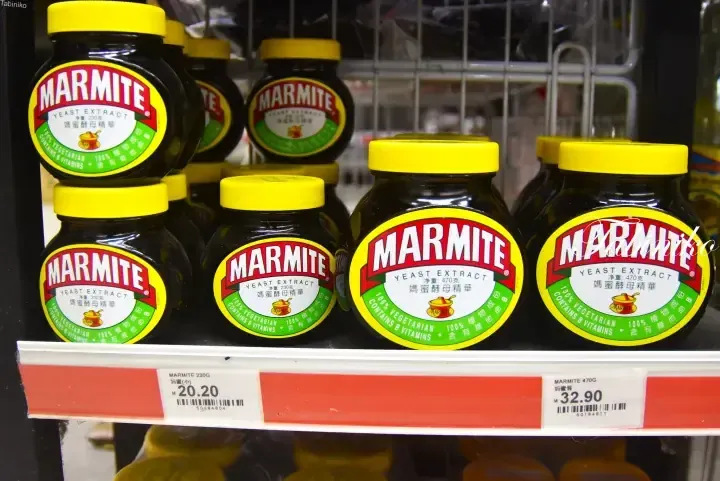
Eric’s absolute favorite: Mameck. I had some chicken karaage tossed in Mameck sauce at a restaurant I visited recently, and it was incredibly delicious. I’ve been wanting to use it myself, but I’m not quite sure how to go about it… I really need to ask my family!!!
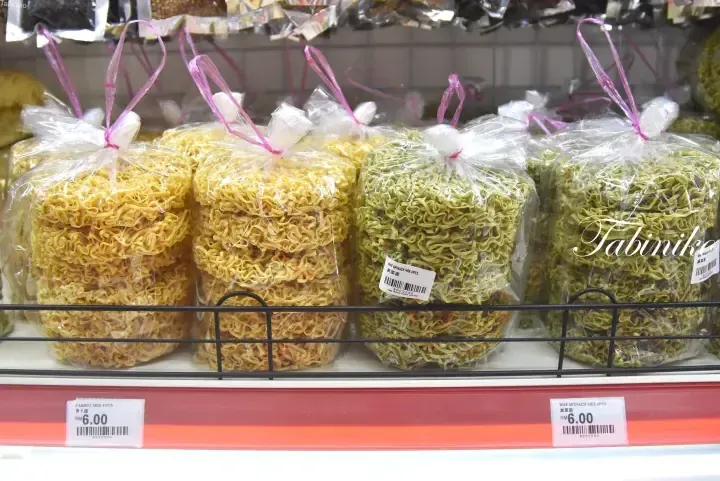
This is my favorite instant noodle. Since the ones sold in supermarkets seem to contain additives, I always buy this brand. The green noodles on the right are made with vegetables kneaded into the dough, and I always go for those green ones~. With my 3-year-old son at home, I want to keep him on a diet as free from additives as possible 😊
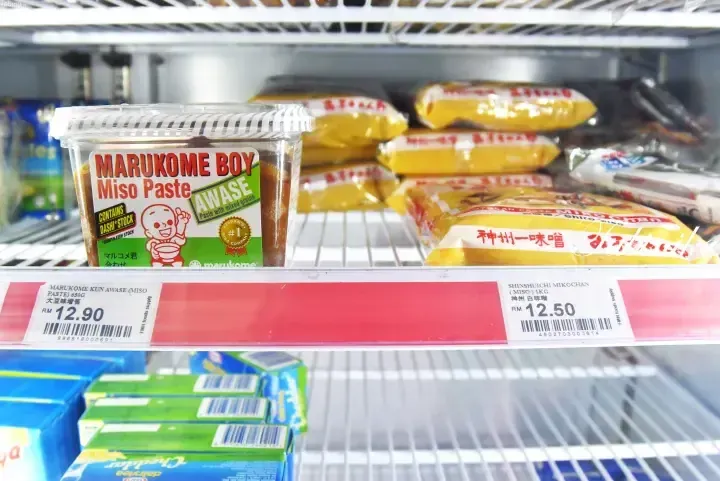
When it comes to miso, Miso-chan’s miso is the one to go for! I think RM12.5 for 1 kilo is a great deal.
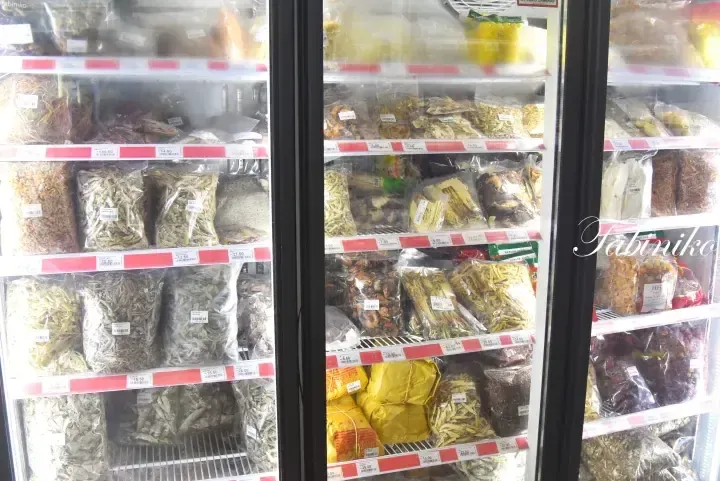
They sell various kinds of herbal medicines and small dried fish, too. For the dashi (soup stock) used in the miso, we use the small dried fish shown on the left in the photo. You don’t need to use Japanese powdered dashi mix; local ingredients work just as well.
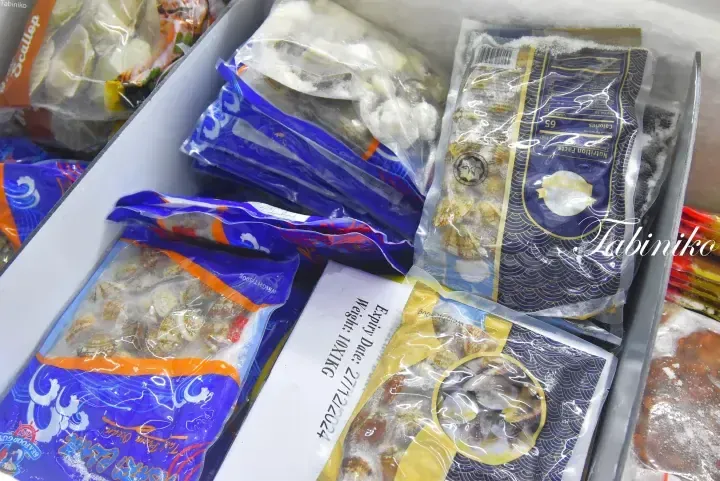
Clams
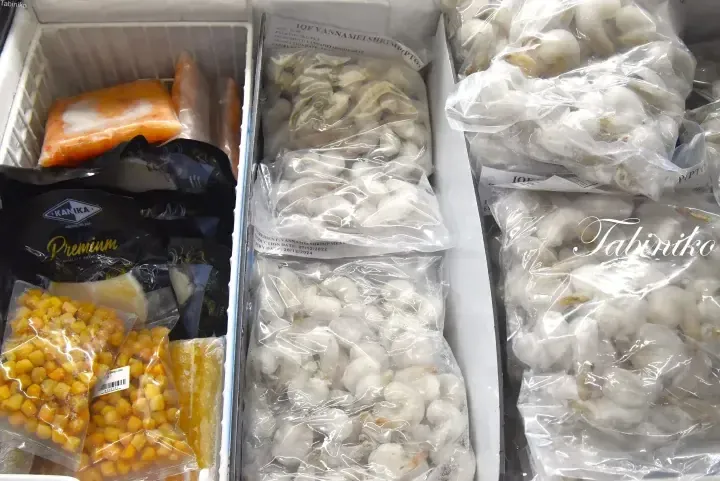
Shrimp and scallop
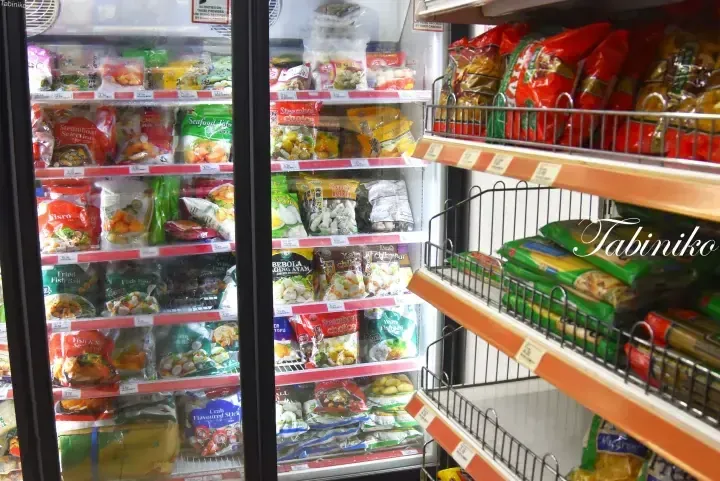
They also sell a variety of frozen foods.
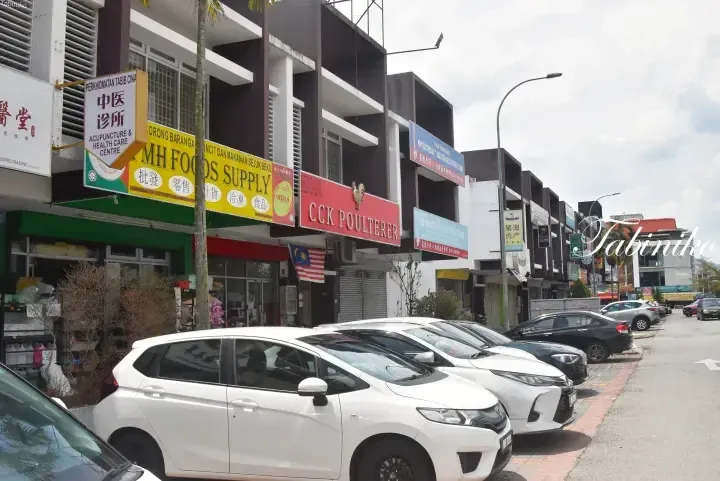
Among the various shops lining the shop lot, you’ll find FMH FOODS SUPPLY, a Chinese-style dried goods store.
The shop lots are a vibrant area filled with small, local favorites, making it a delightful spot to wander around and explore. However, since it can get quite bustling, please stay vigilant and keep your belongings safe. I’ll also be sharing some of my favorite shops to visit! 😊
See you next time! 👋🏻👋🏻👋🏻
Address: 📍 48, Jalan Temenggung 13/9, Bandar Mahkota Cheras, 43200 Cheras, Selangor